Contents:
- Why Lavender Bloom Time Varies Across the US
- The US Lavender Bloom Season: A Regional Calendar
- Pacific Northwest (Zones 7–9): Late June to Mid-July
- California (Zones 8–11): May through July
- Mountain West & High Plains (Zones 5–7): Late June to August
- Midwest & Great Lakes (Zones 5–6): July
- Southeast (Zones 7–9): April to June
- Northeast (Zones 5–7): Late June to July
- A Gardener’s Story: Timing Makes All the Difference
- Practical Tips for Maximizing Your Lavender Bloom
- When to Visit a Lavender Farm in the US
- FAQ: Lavender Bloom Season in the US
- What month does lavender bloom in the US?
- How long does lavender stay in bloom?
- What is the best lavender variety for my US climate zone?
- Can lavender bloom twice in one season?
- Why isn’t my lavender blooming?
- Plan Your Lavender Season Now
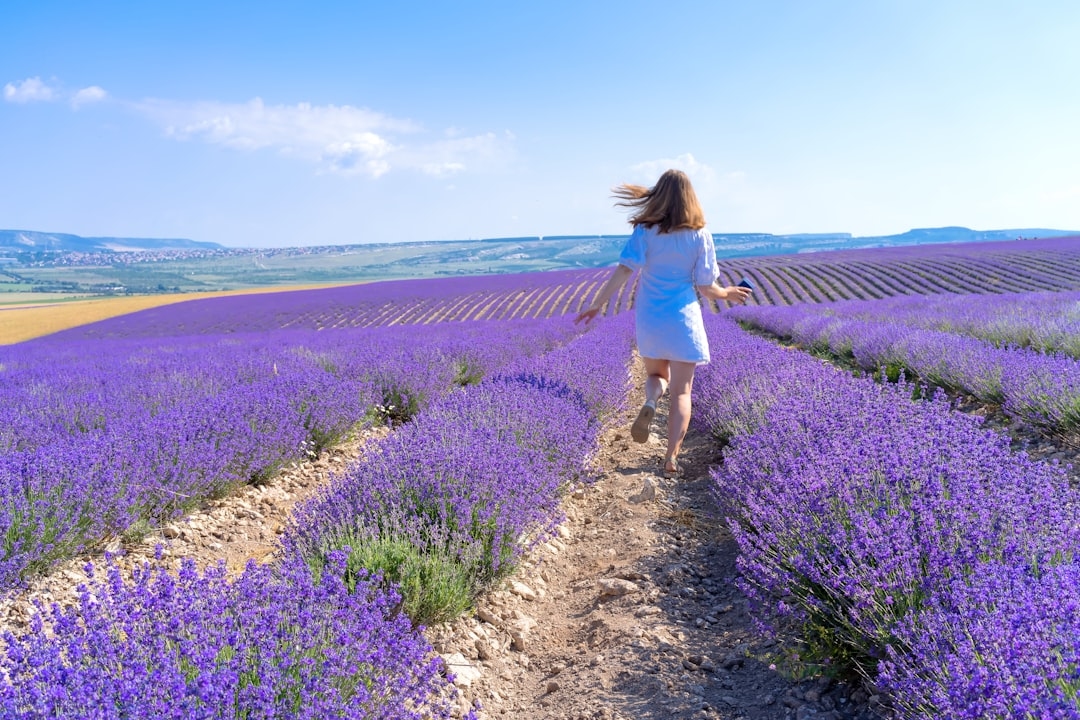
You’re driving down a country road in late June, windows down, and suddenly the air changes. That unmistakable sweet, herbal scent hits you before you even see the field. You pull over. Rows of purple-blue spikes stretch out in every direction, buzzing with bees. You think: I want this in my yard. But when you get home and look it up, the answer to “when does lavender bloom?” turns out to be… complicated. The lavender bloom season in the US varies wildly depending on where you live — and knowing your window can make the difference between a thriving purple patch and a frustrating non-bloomer.
Why Lavender Bloom Time Varies Across the US
Lavender is a Mediterranean native. It loves full sun, well-drained soil, and dry summers — conditions that exist in parts of the US but certainly not everywhere. The country spans USDA Hardiness Zones 3 through 11, and lavender’s bloom timing shifts dramatically across that range. Soil temperature, humidity, winter chill hours, and even elevation all play a role in when — and whether — your plants flower.
There’s also the species factor. English lavender (Lavandula angustifolia) blooms earlier and handles colder winters, thriving in Zones 5–8. Spanish lavender (Lavandula stoechas) blooms earlier in spring but dislikes hard freezes. Lavandin hybrids (Lavandula × intermedia), like ‘Provence’ and ‘Grosso,’ bloom later — often July into August — and produce the largest flower stalks. Knowing your variety is step one.
The US Lavender Bloom Season: A Regional Calendar
Think of lavender bloom timing as a wave that sweeps across the country from south to west to north. Here’s how it breaks down by region:
Pacific Northwest (Zones 7–9): Late June to Mid-July
The Sequim Valley in Washington state — sometimes called the “Lavender Capital of North America” — peaks right around the third week of July. Farms like Sequim’s Graysmarsh typically hit full bloom between July 15–25. Cooler summers and coastal moisture mean the season runs about 3–4 weeks. English lavender varieties lead the bloom here, followed by lavandins.
California (Zones 8–11): May through July
Southern California is the earliest bloomer in the continental US. In areas like Temecula and the Central Coast, Spanish lavender can open as early as late April, with English varieties following in May. In the cooler Bay Area and higher-elevation regions, expect peak color in June. The long, dry summers mean some varieties rebloom lightly in fall if cut back after the first flush.
Mountain West & High Plains (Zones 5–7): Late June to August
Colorado, Utah, and Montana growers see lavender peaking from late June through July. At elevations above 5,000 feet, expect a shorter, more intense burst — sometimes just 2–3 weeks. The lack of humidity is a huge advantage here; lavender roots stay healthy and plants can live 10–15 years with minimal fuss.
Midwest & Great Lakes (Zones 5–6): July
Lavender is possible here but needs protection. Varieties like ‘Hidcote’ and ‘Munstead’ (both L. angustifolia) are the most cold-hardy, surviving Zone 5 winters. Bloom typically arrives in early to mid-July and lasts 3–4 weeks. Heavy clay soils are the enemy — raised beds with amended, gritty soil are often the difference between success and failure.
Southeast (Zones 7–9): April to June
Heat and humidity are lavender’s nemeses, but the Southeast has a narrow window that works. In Virginia, the Carolinas, and Tennessee, English lavender blooms in May and early June before summer heat sets in. Many Southern gardeners treat lavender as a short-lived perennial (2–4 years) rather than the decade-long shrub it can be out West. ‘Phenomenal’ is the go-to variety for humid climates — it has notably better disease resistance.
Northeast (Zones 5–7): Late June to July
New England lavender farms, particularly in Vermont and Connecticut, peak between late June and mid-July. The cooler nights actually intensify the fragrance. Drainage is critical — raised beds or hillside plantings prevent the root rot that kills most lavender in the region.
A Gardener’s Story: Timing Makes All the Difference
A reader from Asheville, North Carolina shared her experience: she’d planted lavender three years in a row and watched it die each summer. She’d always assumed it was a heat issue. Then she shifted her planting to a raised bed, added a gravel mulch around the crown, and chose ‘Phenomenal’ instead of a generic nursery variety. That spring, she got her first real bloom — a full flush in late May, right before Asheville’s brutal July humidity hit. “I finally stopped fighting the climate and started working with it,” she said. The lesson: the right variety for your region matters just as much as the calendar date.
Practical Tips for Maximizing Your Lavender Bloom
- Plant in full sun. Lavender needs a minimum of 6–8 hours of direct sunlight daily. Less than that and you’ll get leggy plants with sparse blooms.
- Get the soil right first. Lavender thrives in soil with a pH of 6.5–7.5 and needs excellent drainage. Mix in pea gravel or coarse sand — aim for at least 30% amendment in heavy soils.
- Don’t over-fertilize. Rich soil produces lush leaves but fewer flowers. A single light application of low-nitrogen fertilizer in early spring is plenty.
- Prune after the first bloom. Cut back about one-third of the plant immediately after peak bloom. This encourages a secondary flush and keeps the plant from going woody too fast.
- Harvest at the right moment. For the longest vase life and strongest scent, cut stems when about half the buds on the spike have opened — not when the whole spike is fully purple.
- Mulch carefully. Use gravel or sand mulch, not bark or wood chips. Organic mulch holds moisture against the crown and promotes root rot.
When to Visit a Lavender Farm in the US
Planning a lavender farm visit? The US Lavender Growers Association lists over 200 member farms nationwide. Here’s a quick cheat sheet for timing your trip:
- May: Southern California, Central Coast CA, Virginia, Carolinas
- June: Pacific Northwest (early farms), Northeast, Mountain West (lower elevations)
- July: Sequim WA, Colorado, Midwest, Vermont — peak festival season
- August: High-elevation Rocky Mountain farms, some lavandin varieties everywhere
Most farms hold their annual festivals during the third week of July, when lavandin — the most visually dramatic variety — is at full peak. Tickets to harvest festivals at well-known farms like Young Living’s Mona, Utah farm or Lavender Wind in Coupeville, WA often sell out weeks in advance.
FAQ: Lavender Bloom Season in the US
What month does lavender bloom in the US?
Lavender blooms from April through August in the US, depending on the region. Southern California sees the earliest blooms in late April, while the Pacific Northwest and Mountain West peak in July. Most of the country experiences peak lavender bloom in June and July.
How long does lavender stay in bloom?
Most lavender varieties bloom for 3–4 weeks during their main flush. Lavandin hybrids often have the longest bloom period, sometimes stretching 4–6 weeks. Deadheading or light pruning after the first bloom can trigger a second, lighter flowering in late summer.
What is the best lavender variety for my US climate zone?
For cold climates (Zones 5–6), choose Lavandula angustifolia varieties like ‘Hidcote,’ ‘Munstead,’ or ‘Vera.’ For humid Southeast gardens, ‘Phenomenal’ is the most resilient. For hot, dry Western gardens, lavandin hybrids like ‘Grosso’ or ‘Provence’ deliver the biggest impact and longest-lived plants.
Can lavender bloom twice in one season?
Yes — with proper pruning. Cut the plant back by about one-third immediately after the first bloom fades. In climates with long growing seasons (California, the South, Pacific Northwest), a second lighter flush typically appears 6–8 weeks later, often in early fall.
Why isn’t my lavender blooming?
The most common culprits are insufficient sunlight (less than 6 hours daily), poor drainage leading to stressed roots, over-fertilizing with nitrogen-heavy feeds, or planting a variety not suited to your hardiness zone. Young plants also need one full growing season to establish before producing a strong bloom — patience pays off.
Plan Your Lavender Season Now
The lavender bloom season across the US is one of the most region-specific things in the gardening calendar — but that’s actually good news. It means there’s almost always a window that works for your climate, whether you’re in a sun-baked California valley or a chilly Vermont hillside. Start by identifying your USDA zone, choose a variety bred for your conditions, and get your soil drainage sorted before you plant a single cutting. Do those three things and you’ll be the one pulling over on the side of the road next summer — except this time, the purple field will be yours.
Ready to dig in? Check the US Lavender Growers Association’s farm finder to locate a nursery or pick-your-own farm near you — it’s the fastest way to see which varieties thrive in your exact area before you commit to growing your own.