Contents:
- Understanding Shade Before You Plant
- Top Shade Flowers for American Gardens
- Impatiens — The Reliable Workhorse
- Astilbe — Feathery Plumes That Steal the Show
- Bleeding Heart — Drama in the Spring Garden
- Hellebores — The Winter Bloomer Nobody Talks About Enough
- Begonias — Bold Color, Low Budget
- Lungwort (Pulmonaria) — The Underrated Ground Cover
- Common Mistakes to Avoid
- Practical Tips for Budget-Conscious Shade Gardeners
- Best Shade Flowers by Season
- FAQ: Shade Flowers
- What is the easiest shade flower to grow for beginners?
- Do shade flowers need any direct sunlight?
- What shade flowers come back every year?
- Can shade flowers grow under trees?
- What shade flowers attract pollinators?
- Ready to Transform Your Shady Spots?
Can a shady corner of your yard actually become the most stunning spot in the garden? Absolutely — and shade flowers are the secret weapon most gardeners overlook. That dark strip along the fence, the bed beneath a sprawling oak, the north-facing porch that never sees direct sun — these aren’t problem areas. They’re opportunities waiting for the right plants.
The best shade flowers include impatiens, hostas, astilbe, bleeding heart, begonias, foxglove, lungwort, and hellebores. Most thrive in partial shade (3–6 hours of indirect light) rather than full shade (under 3 hours). For deep shade, reach for hellebores or lungwort first — they’re among the most tolerant options available.
Understanding Shade Before You Plant
Not all shade is the same, and this distinction saves you money and heartbreak. Gardeners classify shade into three types:
- Full shade: Fewer than 3 hours of direct sunlight daily. Think dense canopy or a north-facing wall.
- Partial shade: 3 to 6 hours of sun, usually in the morning or dappled through leaves.
- Dappled shade: Shifting light filtered through a loose tree canopy — actually ideal for many flowering plants.
Before buying a single plant, spend one full day in your yard watching how the light moves. Use your phone to take photos at 8 a.m., noon, and 4 p.m. You’ll immediately see which zones are workable partial shade versus true deep shade. This five-minute habit prevents dozens of failed plantings.
Top Shade Flowers for American Gardens
Impatiens — The Reliable Workhorse
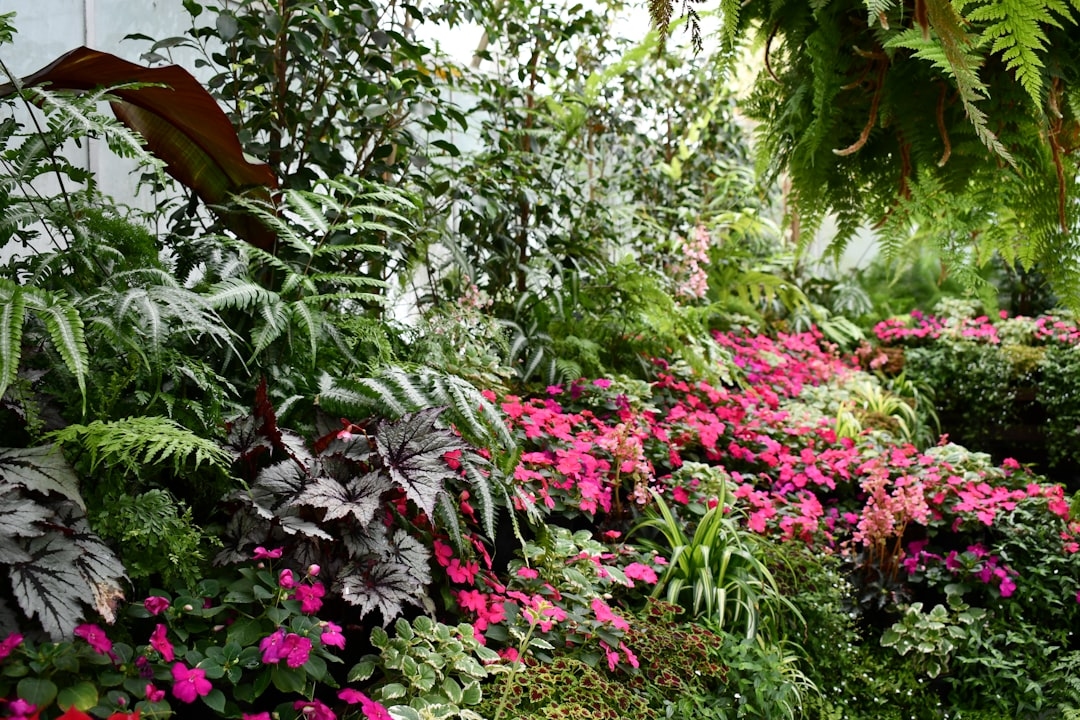
Impatiens are the go-to shade flower for a reason. They bloom from late spring straight through the first frost, pumping out color for five or more months with almost no effort. A flat of 18 plants runs around $10–$15 at most garden centers. Plant them 8 to 12 inches apart, keep the soil moist, and they’ll reward you with a carpet of pink, red, white, coral, or purple blooms. They thrive in USDA Hardiness Zones 10–11 as perennials, and everywhere else as season-long annuals.
Astilbe — Feathery Plumes That Steal the Show
Astilbe produces tall, feathery plumes in shades of white, pink, red, and lavender that rise 1 to 4 feet above ferny foliage. It thrives in Zones 3–9, making it one of the most versatile shade perennials on the market. Plant bare roots in early spring for around $6–$10 each, and they’ll multiply into clumps worth dividing and sharing in three to four years. Astilbe performs best with moist, humus-rich soil — it struggles in dry shade.
Bleeding Heart — Drama in the Spring Garden
Few plants generate more “wow” reactions than bleeding heart (Lamprocapnos spectabilis). Its arching stems drip with heart-shaped flowers in pink, red, or white from April through June in most of the US. It naturally goes dormant by midsummer, so pair it with hostas or ferns that fill the gap. One established clump can spread to 3 feet wide. It’s hardy in Zones 3–9 and costs roughly $8–$15 per plant at nurseries.
Hellebores — The Winter Bloomer Nobody Talks About Enough
Hellebores, sometimes called Lenten roses, bloom in late winter and early spring when almost nothing else dares to flower — often pushing up through snow in February in Zone 5 and 6 gardens. They’re evergreen, deer-resistant, and long-lived. A single plant can thrive for 20+ years with minimal care. Yes, they cost more upfront ($12–$25 per plant), but their longevity makes them among the best values in the shade garden.
Begonias — Bold Color, Low Budget
Tuberous begonias produce rose-like blooms up to 6 inches across in nearly every warm color imaginable. Wax begonias are even more affordable — often $1–$2 per plant — and handle partial shade exceptionally well. Both types thrive in hanging baskets and containers, making them ideal for shaded porches and patios.
Lungwort (Pulmonaria) — The Underrated Ground Cover
Lungwort earns its place with spotted silver-and-green foliage and small purple or pink flowers that appear in early spring. It handles dry shade better than most plants — a huge advantage under shallow-rooted trees like maples. Hardy in Zones 3–8, it spreads slowly into a dense, weed-suppressing mat. You’ll find it for $6–$10 per pot at specialty nurseries.
🌿 What the Pros Know: Professional garden designers always combine texture, not just color, in shade beds. Pair the broad, smooth leaves of hostas with the fine, ferny foliage of astilbe and the bold, glossy rounds of bergenia. This layered texture keeps the bed visually interesting even when nothing is in bloom — and it costs nothing extra to plan.
Common Mistakes to Avoid
- Planting sun-lovers in shade. Lavender, roses, and most salvias need 6+ hours of direct sun. No amount of wishful thinking changes that.
- Ignoring soil moisture. Shade under trees is often bone dry thanks to competing roots. Amend with compost and mulch 2–3 inches deep to retain moisture.
- Buying in bloom. It’s tempting to grab whatever looks prettiest at the store. Instead, research bloom times so your shade bed has something going on from March through October, not just one glorious week in June.
- Overcrowding. Shade plants often grow more slowly, so new gardeners underplant — then compensate by cramming in too many. Check mature spread labels and resist the urge to fill every inch at planting time.
- Skipping native options. Native shade plants like wild columbine (Aquilegia canadensis) and Virginia bluebells are adapted to local conditions, require less water, and support pollinators. They’re also increasingly affordable at native plant nurseries, often $4–$8 per pot.
Practical Tips for Budget-Conscious Shade Gardeners
Stretch your planting budget with a few smart strategies. First, buy perennials in small 4-inch pots rather than 1-gallon containers — they’re 30–50% cheaper and often catch up within a single season. Second, join a local garden club or neighborhood plant swap. Shade perennials like hostas and astilbe divide readily, and gardeners are famously generous with divisions. Third, seed impatiens and foxglove indoors under grow lights 10–12 weeks before your last frost date — a $4 seed packet yields dozens of plants that would cost $30+ at a garden center.
Mulching is your single best investment in a shade garden. A 2-inch layer of shredded bark or leaf mold retains moisture, suppresses weeds, and slowly improves soil structure as it breaks down. A cubic yard of mulch covers roughly 160 square feet at 2 inches deep and costs $30–$60 delivered in most US cities — far cheaper than repeated watering and weeding.
Best Shade Flowers by Season
- Early spring (March–April): Hellebores, lungwort, Virginia bluebells, bleeding heart
- Late spring (May–June): Astilbe, foxglove, columbine, Solomon’s seal
- Summer (July–August): Impatiens, begonias, hostas (foliage), toad lily
- Fall (September–October): Toad lily blooms, begonias continue, Japanese anemone
FAQ: Shade Flowers
What is the easiest shade flower to grow for beginners?
Impatiens are the easiest shade flower for beginners. They require minimal care, bloom continuously from late spring to first frost, and cost very little — typically $10–$15 for a flat of 18 plants. Keep them watered and they handle everything else themselves.
Do shade flowers need any direct sunlight?
Most shade flowers prefer some light — ideally 3 to 6 hours of indirect or morning sun (partial shade). True deep-shade plants like hellebores and lungwort can survive with fewer than 3 hours, but they still benefit from bright, indirect ambient light rather than complete darkness.
What shade flowers come back every year?
Many shade flowers are perennials that return annually. Top options include astilbe (Zones 3–9), hellebores (Zones 4–9), bleeding heart (Zones 3–9), hostas (Zones 3–9), and lungwort (Zones 3–8). Impatiens and begonias are annuals and must be replanted each season.
Can shade flowers grow under trees?
Yes, but choose carefully. Tree roots compete heavily for water and nutrients. Best performers under trees include lungwort, wild ginger, epimedium, and hostas — all of which tolerate dry shade better than most. Amend soil with compost and mulch generously to improve conditions.
What shade flowers attract pollinators?
Several shade flowers are excellent pollinator plants. Columbine attracts hummingbirds and long-tongued bees. Foxglove is a bumblebee favorite. Astilbe draws butterflies and small bees. Native wild blue phlox (Phlox divaricata) supports a wide range of early-season pollinators in dappled shade gardens.
Ready to Transform Your Shady Spots?
Start small: pick one shaded bed, identify your light level, and choose three plants from different bloom-time categories. A spring bloomer like bleeding heart, a summer standby like impatiens, and a bold foliage plant like hosta will give you a bed that looks intentional and full from April through October. Once you see how beautifully shade gardens can perform, you’ll stop seeing those dark corners as problems — and start seeing them as your garden’s best canvas.