Contents:
- Why Companion Planting With Flowers Actually Works
- The Best Flowers for Companion Planting With Vegetables
- Marigolds (Tagetes spp.) — The Garden Workhorse
- Nasturtiums (Tropaeolum majus) — The Trap Crop Champion
- Borage (Borago officinalis) — The Tomato’s Best Friend
- Zinnias — Beneficial Insect Magnets
- Sweet Alyssum — The Low-Growing Pest Controller
- Common Mistakes to Avoid
- Expert Perspective: Planning Your Companion Garden
- Sustainable Gardening Benefits of Floral Companions
- Practical Tips for Getting Started
- Frequently Asked Questions
- What flowers are best for companion planting with tomatoes?
- Can I plant flowers inside raised vegetable beds?
- Do companion flowers actually reduce pests, or is it a myth?
- Which flowers should I avoid planting near vegetables?
- How many companion flowers do I need per vegetable plant?
Flowers companion planting vegetables is a practice as old as farming itself. The Three Sisters method — corn, beans, and squash grown together — was refined by Indigenous North American peoples over thousands of years. But the fourth, often forgotten sister? Flowers. Sunflowers were planted at the garden’s edge not just for beauty, but to draw pollinators and confuse pests. That ancient instinct turns out to be brilliant horticulture.
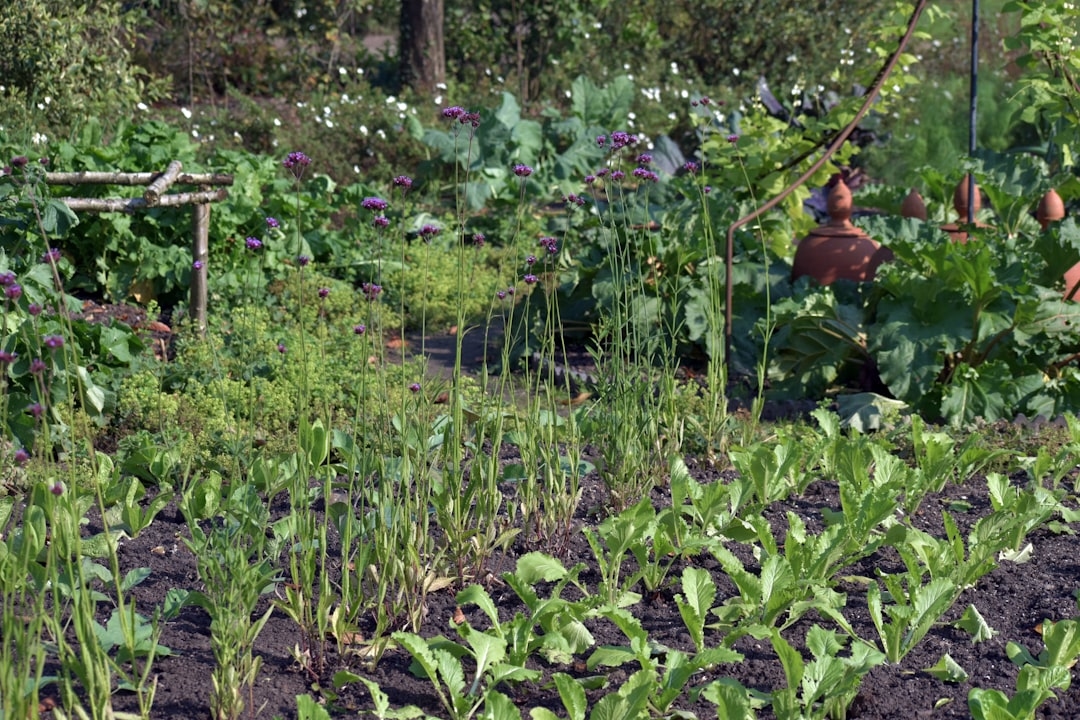
Today, gardeners across the US are rediscovering what their ancestors knew intuitively: a vegetable garden without flowers is a garden working against itself. The right floral companions can cut pesticide use dramatically, attract beneficial insects, improve soil, and increase vegetable yields — sometimes by 20% or more according to studies on intercropping systems. The wrong pairing, though, can stunt growth or invite trouble.
Here’s how to get it right.
Why Companion Planting With Flowers Actually Works
The science behind floral companions comes down to three mechanisms: pest confusion, pollinator attraction, and biochemical interaction. Many flowers emit volatile compounds through their roots or foliage that either repel harmful insects or mask the scent of nearby vegetables. Others produce nectar structures that feed predatory wasps and hoverflies — nature’s own pest control squad.
There’s also the soil angle. Certain flowering plants fix nitrogen, loosen compacted earth with deep taproots, or add organic matter when they decompose. That makes the garden more productive and more sustainable — fewer synthetic inputs, healthier soil biology, and a more resilient growing system year after year.
The Best Flowers for Companion Planting With Vegetables
Marigolds (Tagetes spp.) — The Garden Workhorse
If you only plant one companion flower, make it a French marigold (Tagetes patula). Its roots release alpha-terthienyl, a compound toxic to root-knot nematodes — microscopic soil pests that devastate tomatoes, peppers, and carrots. A 2014 study from Rothamsted Research found that planting marigolds for a full season reduced nematode populations by up to 90% in subsequent crops.
Plant marigolds 12 inches apart as a border around tomatoes or peppers, or interplant every 3 feet within rows. They also deter whiteflies and aphids through scent. Go for the pungent French varieties over the larger African types — it’s the smell, not the size, that does the heavy lifting.
Nasturtiums (Tropaeolum majus) — The Trap Crop Champion
Nasturtiums are a trap crop genius. Aphids love them more than almost anything else in the garden, which means they’ll flock to the nasturtiums and leave your kale, beans, and squash alone. Plant them near the edges of your vegetable beds — not mixed deeply within — so you can manage (or sacrifice) them without disrupting your crops.
Bonus: nasturtiums are entirely edible. The peppery flowers and leaves go straight into salads, and the seeds can be pickled as a caper substitute. A single packet of seeds (around $3–$5 at most garden centers) will self-sow for years in USDA Hardiness Zones 9–11.
Borage (Borago officinalis) — The Tomato’s Best Friend
Borage has a devoted following among tomato growers, and for good reason. Its star-shaped blue flowers attract bumblebees with unusual efficiency — research from the University of Exeter showed that borage replenishes nectar within 2 minutes of being visited, making it one of the most productive pollinator plants available. More bees visiting your tomatoes means better fruit set and fewer misshapen fruits.
Borage also reportedly deters tomato hornworm, though the mechanism isn’t fully understood. Plant it at the base of tomato cages or along the south-facing edge of raised beds where it gets full sun. It grows 18–24 inches tall and reseeds readily — once you plant it, you’ll have it forever.
Zinnias — Beneficial Insect Magnets
Zinnias don’t just look incredible next to vegetable beds — they’re working the whole time. Their flat, open flower heads are a landing pad for parasitic wasps, hoverflies, and soldier beetles, all of which prey on caterpillars, aphids, and other garden pests. Plant them in clusters of at least 5–7 plants to create a reliable insectary. Zinnias thrive in USDA Zones 3–10 as annuals and bloom from midsummer through frost.
Pair zinnias with cucumbers, squash, and beans. They’re especially effective when planted on the sunny side of a trellis where beneficial insects can sun themselves while hunting.
Sweet Alyssum — The Low-Growing Pest Controller
Sweet alyssum (Lobularia maritima) grows only 3–6 inches tall, making it ideal for underplanting taller vegetables like broccoli, cabbage, and Brussels sprouts. Its tiny white or purple flowers produce abundant nectar that draws ground beetles and parasitic wasps. Ground beetles alone can consume hundreds of cabbage worm eggs per night.
Direct sow sweet alyssum seeds around brassica transplants in spring. It tolerates light frost and will often self-seed into fall, extending its beneficial window.
Common Mistakes to Avoid
- Planting too few flowers: A single marigold or one nasturtium plant won’t move the needle. Companion planting works at scale — aim for at least one flowering plant per 4–6 square feet of vegetable bed.
- Choosing flowers for looks alone: Hybrid double-petaled flowers like many modern zinnias and marigolds have reduced pollen and nectar access for insects. Choose open-faced, single-petal varieties for maximum wildlife benefit.
- Ignoring bloom timing: If your companion flowers bloom two weeks after your vegetables need pollination, they’re not helping. Plan succession plantings or choose long-blooming species that overlap with your vegetable’s peak fruiting period.
- Forgetting water needs: Some flowers — like lavender — prefer dry, well-drained soil that most vegetables don’t thrive in. Match moisture requirements before you plant.
Expert Perspective: Planning Your Companion Garden
“Most gardeners underestimate how far beneficial insects actually travel. A pollinator hedge 20 feet from your vegetable beds can be just as effective as in-row planting — sometimes more so, because you’re not competing for root space. The key is continuous bloom from May through September.”
— Dr. Miriam Calloway, Certified Professional Horticulturist (CPH) and urban agriculture consultant based in Portland, Oregon
That advice translates into a practical planting calendar: start with early-blooming calendula and sweet alyssum in spring, transition to borage and nasturtiums in early summer, then carry through with zinnias and marigolds until frost. You’ll never have a gap in pollinator and predator support.
Sustainable Gardening Benefits of Floral Companions
Every flower you plant strategically is a synthetic pesticide you don’t have to buy. The average American household spends $35–$70 per year on garden pesticides. A well-designed companion planting scheme can eliminate most or all of that cost while improving soil health and biodiversity. Many companion flowers — borage, nasturtium, calendula — also attract native bees, whose populations have declined by nearly 25% over the past two decades according to USDA data.
Saving seeds from marigolds and zinnias at season’s end closes the sustainability loop entirely. You get next year’s pest protection for free, and you build seed-saving skills that make your garden more self-reliant over time.
Practical Tips for Getting Started
- Start with borders: Ring your entire vegetable garden with a mix of marigolds and zinnias before experimenting with interplanting.
- Use transplants for speed: For companion flowers you need working early in the season, buy 4-inch transplants from a local nursery rather than starting from seed.
- Track what works: Keep a simple garden journal noting which flower-vegetable pairings correlated with fewer pest problems. Your microclimate is unique — your data will be too.
- Don’t deadhead trap crops: Let nasturtiums and calendula go slightly scraggly. Aphid colonies on spent flowers signal the trap is working.
Frequently Asked Questions
What flowers are best for companion planting with tomatoes?
French marigolds, borage, and basil (technically an herb, but flowering) are the top companions for tomatoes. Marigolds deter nematodes and whiteflies, borage attracts pollinators and may repel hornworm, and flowering basil draws predatory insects while potentially improving tomato flavor.
Can I plant flowers inside raised vegetable beds?
Yes. Low-growing flowers like sweet alyssum and dwarf marigolds work well interplanted within beds. Place taller companions like borage and zinnias at bed edges so they don’t shade out crops. Keep at least 12 inches between flowers and heavy-feeding vegetables like squash or peppers to avoid root competition.
Do companion flowers actually reduce pests, or is it a myth?
The evidence is real but context-dependent. French marigolds have strong peer-reviewed support for nematode suppression. Nasturtiums as aphid trap crops are well-documented. Other pairings have less formal research but strong anecdotal backing from commercial organic growers. Results depend on planting density, timing, and local pest pressure.
Which flowers should I avoid planting near vegetables?
Fennel is the biggest offender — it inhibits growth in tomatoes, peppers, and beans. Avoid planting allelopathic flowers like sunflowers directly against shallow-rooted vegetables, as their root secretions can suppress germination. Some ornamental alliums can cross-pollinate with onion crops if you’re saving seed.
How many companion flowers do I need per vegetable plant?
A general rule: one marigold per 4–6 square feet of bed space for nematode control; one borage plant per 3–4 tomato plants for pollinator support; nasturtiums at a ratio of roughly 1:10 as trap crop borders. More is usually better — companion planting rewards generosity.
Your vegetable garden this season can be more than rows of edibles waiting to be harvested. It can be a working ecosystem — productive, largely self-regulating, and genuinely beautiful. Pick two or three flowers from this list, plant them deliberately, and watch what shows up. The hoverflies, the ladybugs, the bumblebees — they’ll find you. And they’ll bring better harvests with them.