Contents:
- Why Choose Low Water Flowers?
- Top Low Water Flowers for Every Garden Style
- Lavender (Lavandula angustifolia)
- Black-Eyed Susan (Rudbeckia hirta)
- Coneflower (Echinacea purpurea)
- Yarrow (Achillea millefolium)
- Portulaca (Portulaca grandiflora)
- Salvia (Salvia spp.)
- Low Water Flowers vs. Succulents: Know the Difference
- Practical Tips for Growing Drought-Tolerant Blooms Successfully
- Improve Your Soil Before You Plant
- Mulch Generously
- Water Deeply, Not Frequently
- Group Plants by Water Needs
- Quick Cost Breakdown: Building a Drought-Tolerant Flower Bed
- Frequently Asked Questions
- What are the best low water flowers for full sun?
- How long does it take for drought-tolerant flowers to establish?
- Can low water flowers grow in containers?
- Do drought-tolerant flowers attract pollinators?
- What’s the difference between drought-tolerant and drought-resistant flowers?
- Ready to Plant? Start Small and Scale Up
Low water flowers have been celebrated across cultures for centuries — ancient Persian gardens, designed around scarcity, featured drought-tolerant blooms like lavender and sage as centerpieces of beauty and survival. Those gardeners understood something we’re rediscovering today: flowers that thrive on little water aren’t a compromise. They’re a smarter, more sustainable choice.
Whether you’re dealing with a hot, dry summer in USDA Hardiness Zones 7–10, a water bill that’s creeping up, or simply a busy schedule that doesn’t allow for daily watering, drought-tolerant flowers are your answer. And the best part? Many of them are showstoppers.
Why Choose Low Water Flowers?
The average American household uses about 320 gallons of water per day, and outdoor watering accounts for nearly 30% of that total, according to the EPA. Switching to drought-tolerant plants in even a small 10×10 garden bed can reduce outdoor water use by 50–75% during peak summer months.
Beyond conservation, low water flowers tend to be hardier, more pest-resistant, and longer-blooming than their thirsty counterparts. Once established — typically after 1–2 growing seasons — most require little more than rainfall to thrive. That’s a serious win for DIY gardeners who want maximum impact with minimum maintenance.
Top Low Water Flowers for Every Garden Style
Lavender (Lavandula angustifolia)
Lavender is the gold standard of drought-tolerant flowering plants. It thrives in full sun, well-drained soil, and can go 2–3 weeks without supplemental water once established. Varieties like ‘Hidcote’ and ‘Munstead’ are especially well-suited for Zones 5–8. Plant it in borders, raised beds, or containers — it blooms prolifically from late spring through midsummer and attracts pollinators by the dozens.
Budget note: A 1-gallon lavender plant typically costs $8–$15 at garden centers. Plant 3–5 for a fragrant, full border that costs under $75 total.
Black-Eyed Susan (Rudbeckia hirta)
Native to North America, black-eyed Susans are practically indestructible. These golden-yellow daisy-like flowers bloom from June through September and tolerate both drought and poor soil. They self-seed readily, meaning your initial investment keeps multiplying. A six-pack of transplants runs about $6–$10, and once established, they’ll fill an entire bed within two seasons.
Coneflower (Echinacea purpurea)
Coneflowers bloom in shades of purple, pink, orange, and white from midsummer into fall. They’re native prairie plants built for dry conditions, thriving in Zones 3–9 with as little as 1 inch of water per week after their first year. The seedheads feed goldfinches through winter, so you get four-season value from a single plant. Expect to pay $5–$12 per plant at nurseries.
Yarrow (Achillea millefolium)
Yarrow is a flat-topped perennial that blooms in white, yellow, red, and coral. It spreads aggressively — in a good way — forming dense mats that crowd out weeds and survive in clay, sandy, or rocky soil. Yarrow needs almost no supplemental watering in Zones 3–9 once it’s rooted. It’s one of the few flowers that actively performs better in lean, dry conditions than in rich, moist soil.
Portulaca (Portulaca grandiflora)
Often called moss rose, portulaca is an annual that loves heat and neglect. It stores water in its succulent-like stems and blooms in vivid pinks, oranges, yellows, and reds all summer long — opening each morning and closing at night. A single flat of portulaca transplants costs $10–$20 and will fill a 4-foot container or bed edge completely by July.
Salvia (Salvia spp.)
Salvia comes in over 900 species, and most of them are exceptionally drought-tolerant. ‘May Night’ (Salvia nemorosa) is a perennial standout for Zones 4–8, producing deep violet spikes from May through June with a second flush in late summer if deadheaded. Annual salvias like ‘Victoria Blue’ are workhorses in hot, dry climates and bloom nonstop with virtually no irrigation once established.
Low Water Flowers vs. Succulents: Know the Difference
A common point of confusion: drought-tolerant flowers are not the same as succulents. Succulents — sedums, hens-and-chicks, echeveria — store water in fleshy leaves and can survive weeks without moisture. They’re exceptional for xeriscaping but produce relatively small or inconspicuous blooms.
Low water flowers, by contrast, are selected for their blooms first. They’re bred or evolved to withstand dry spells of 1–3 weeks, but they still produce lush, showy flowers. If you want color and fragrance, go with drought-tolerant flowering perennials and annuals. If you want a structural, nearly maintenance-free planting that doubles as ground cover, layer in some succulents alongside them.
Practical Tips for Growing Drought-Tolerant Blooms Successfully
Improve Your Soil Before You Plant
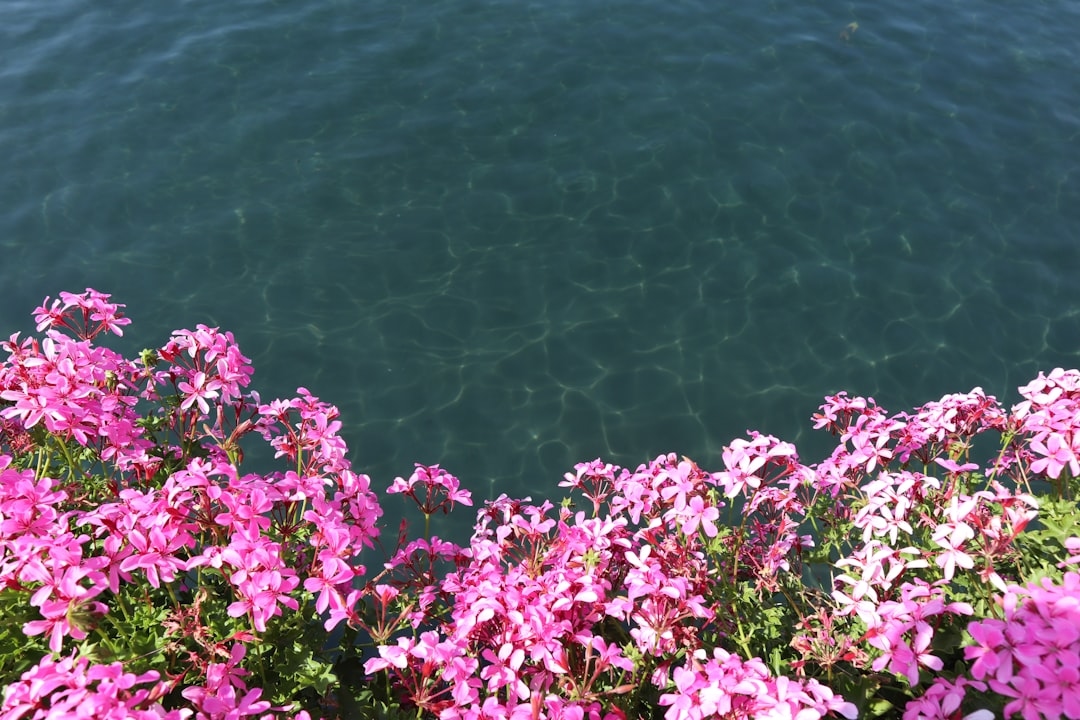
Even drought-tolerant flowers need good drainage. Amend heavy clay soil with coarse sand and perlite at a ratio of 1 part amendment to 3 parts native soil. For sandy soils that drain too fast, mix in a 2-inch layer of compost to improve water retention without waterlogging roots.
Mulch Generously
Apply 2–3 inches of organic mulch — shredded bark, straw, or wood chips — around your plants. Mulch reduces soil moisture evaporation by up to 70% and keeps root zones 10°F cooler during heat waves. This single step can cut your supplemental watering needs in half.
Water Deeply, Not Frequently
During the establishment phase (the first 4–8 weeks after planting), water deeply once or twice per week rather than lightly every day. Deep watering encourages roots to grow down toward consistent moisture in the subsoil, making plants far more resilient during dry spells. A soaker hose delivers water slowly at 1–2 gallons per hour — efficient and inexpensive at $15–$30 for a 25-foot length.
Group Plants by Water Needs
Hydrozoning — grouping plants with similar water requirements together — prevents overwatering drought-tolerant plants when they share a bed with thirsty annuals. Keep your lavender, yarrow, and coneflowers in one zone and your petunias and impatiens in another. Your plants and your water bill will both thank you.
Quick Cost Breakdown: Building a Drought-Tolerant Flower Bed
- Plants (mix of 15 perennials + 1 flat of portulaca): $80–$130
- Soil amendment (1 bag compost + 1 bag perlite): $20–$35
- Mulch (2 cubic feet): $8–$15
- Soaker hose (25 ft): $15–$30
- Total estimated investment: $123–$210 for a 10×12 bed that blooms for years
Compare that to a traditional annual bed that costs $60–$100 per season to replant and requires watering every 2–3 days — the drought-tolerant approach pays for itself within two growing seasons.
Frequently Asked Questions
What are the best low water flowers for full sun?
Lavender, black-eyed Susan, coneflower, yarrow, portulaca, and salvia all perform exceptionally well in full sun (6+ hours daily) with minimal watering. These are ideal for south- or west-facing garden beds in Zones 4–10.
How long does it take for drought-tolerant flowers to establish?
Most drought-tolerant perennials need 1–2 full growing seasons to develop deep root systems. During that first season, water weekly. By year two, most thrive on rainfall alone in areas that receive 15+ inches of annual precipitation.
Can low water flowers grow in containers?
Yes — portulaca, salvia, and dwarf lavender varieties like ‘Hidcote Blue’ are excellent container plants. Use a well-draining potting mix with added perlite (20–30% by volume), and choose terra cotta or unglazed ceramic pots over plastic, as they allow excess moisture to evaporate through the walls.
Do drought-tolerant flowers attract pollinators?
Absolutely. Lavender, salvia, coneflower, and black-eyed Susan are among the top pollinator plants recommended by the Xerces Society. They attract bees, butterflies, and hummingbirds while requiring a fraction of the water of traditional garden favorites like dahlias or hydrangeas.
What’s the difference between drought-tolerant and drought-resistant flowers?
Drought-tolerant flowers survive extended dry periods but may slow their bloom if deprived of water for more than 3–4 weeks. Drought-resistant flowers (like certain native wildflowers) are genetically adapted to minimal water and may actually decline if overwatered. For most home gardens, “drought-tolerant” is the practical and widely available category to shop for.
Ready to Plant? Start Small and Scale Up
Pick two or three species from this list that match your USDA zone and sun exposure, then plant a test bed this season. Track which ones thrive without supplemental watering by midsummer — those are your keepers. Next year, expand. Within two or three seasons, you’ll have a self-sustaining, pollinator-friendly garden that blooms from May through October and barely touches your hose. That’s the real reward of going drought-tolerant: more flowers, less work, and a garden that grows stronger every year on its own terms.