Contents:
- Why Hummingbirds Are So Picky About Flowers
- Top Flowers That Attract Hummingbirds (By Season)
- Spring Bloomers
- Summer Standouts
- Fall Favorites
- Native Plants vs. Ornamental Hybrids: What’s the Difference?
- How to Design a Hummingbird-Friendly Garden Bed
- Budget Breakdown: What It Costs to Get Started
- Practical Tips for Keeping Hummingbirds Coming Back
- Frequently Asked Questions
- What is the single best flower to attract hummingbirds?
- Do flowers attract hummingbirds better than feeders?
- What color flowers do hummingbirds prefer?
- How do I attract hummingbirds to a small balcony or patio?
- When should I plant flowers to attract hummingbirds?
- Build Your Hummingbird Garden This Season
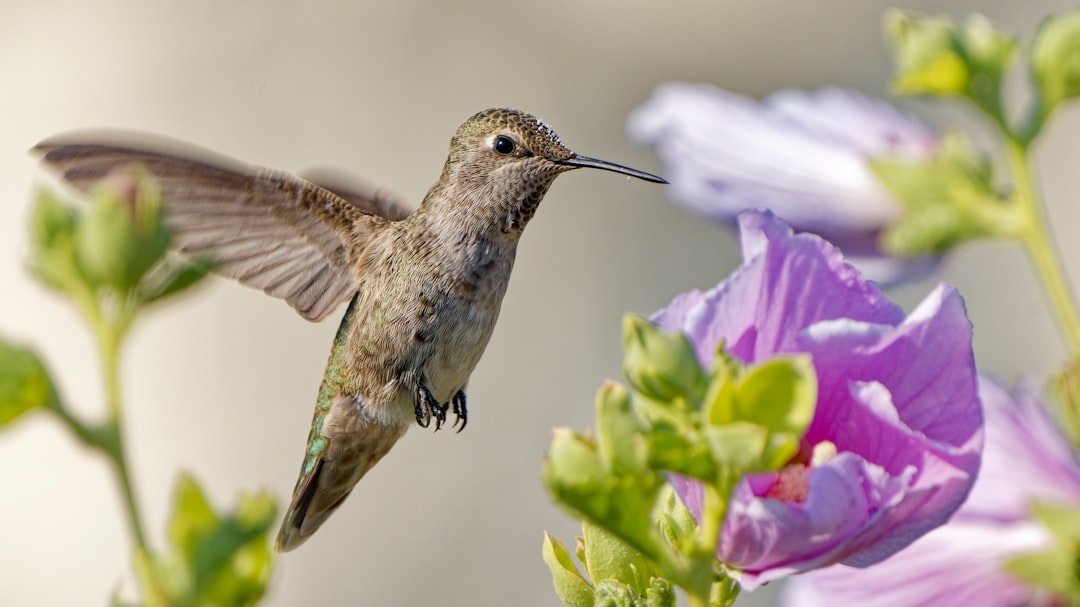
You’re sitting on your porch one summer morning, coffee in hand, and a flash of iridescent green zips past your head. A hummingbird hovers for just a second — then vanishes. You think: I want more of that. Good news: you can absolutely make it happen, and it starts with what you plant. The right flowers that attract hummingbirds can turn even a modest backyard into a reliable pit stop on their migration routes.
This guide walks you through exactly which plants to choose, how to arrange them, what to spend, and how to keep hummingbirds coming back season after season. No guesswork, no vague advice — just practical, hands-on guidance you can act on this weekend.
Why Hummingbirds Are So Picky About Flowers
Hummingbirds aren’t random about where they feed. Their bills and tongues evolved for specific flower shapes — long, tubular blooms that other pollinators can’t easily access. They burn through roughly half their body weight in nectar every single day, so they’re always hunting for high-yield sources. That’s why planting strategically matters more than planting a lot.
Color plays a huge role too. Hummingbirds have a strong preference for red, orange, and hot pink blooms. They can see into the near-ultraviolet spectrum, which makes vivid warm tones practically glow to them. Fragrance? Barely a factor. Unlike bees, hummingbirds navigate almost entirely by sight.
One key thing many new gardeners overlook: hummingbirds are territorial and creatures of habit. Once they find a reliable nectar source, they’ll return to it daily — and even year after year if you keep the plants going.
Top Flowers That Attract Hummingbirds (By Season)
Staggering your bloom times is the single most effective strategy for keeping hummingbirds around from spring through fall. Here’s a seasonal breakdown of the best performers.
Spring Bloomers
- Coral Honeysuckle (Lonicera sempervirens) — A native vine with tubular red-and-yellow flowers. Blooms April through June in most of the US. Grows in zones 4–9 and can reach 15 feet on a trellis.
- Columbine (Aquilegia) — Delicate, spurred flowers in red, orange, and yellow. Native columbine varieties are especially attractive to ruby-throated hummingbirds. Thrives in zones 3–9.
- Bleeding Heart (Lamprocapnos spectabilis) — A shade-tolerant option with dangling pink blooms. Great for gardeners with less than full sun.
Summer Standouts
- Salvia (Salvia guaranitica ‘Black and Blue’) — One of the most reliable hummingbird magnets available. Deep blue tubular flowers on 3–4 foot stems. Blooms June through frost in zones 7–10.
- Trumpet Vine (Campsis radicans) — A powerhouse native vine with orange-red trumpets. Produces nectar in large quantities. Note: it spreads aggressively, so plant it where you can manage it.
- Bee Balm (Monarda didyma) — Shaggy red or pink flowers beloved by hummingbirds and butterflies alike. Reaches 2–4 feet tall and does best in zones 4–9.
- Penstemon — Tubular flowers in red, pink, and purple. Many native species exist across different US regions. ‘Husker Red’ is a popular cultivar hardy in zones 3–8.
Fall Favorites
- Cardinal Flower (Lobelia cardinalis) — Brilliant scarlet spikes that bloom August through October, perfectly timed for fall migration. Grows 2–4 feet in moist soil, zones 3–9.
- Pineapple Sage (Salvia elegans) — Fragrant foliage with bright red blooms in late summer and fall. An excellent container plant in colder zones.
Native Plants vs. Ornamental Hybrids: What’s the Difference?
Here’s a comparison that trips up a lot of gardeners: native wildflowers vs. ornamental hybrid versions of the same plant. Take bee balm, for example. The straight species (Monarda didyma) produces abundant nectar. Many modern hybrids bred for mildew resistance or compact size have reduced nectar output — sometimes dramatically. The same applies to double-flowered varieties of columbine and salvia, where the extra petals block hummingbirds from reaching the nectar at all.
The rule of thumb: the closer a plant is to its wild form, the better it feeds hummingbirds. When buying, look for species names rather than trademarked cultivar names, and check the plant tag for pollinator certifications.
“I always tell customers to skip the fancy doubles and go straight for the species plants. A ruby-throated hummingbird doesn’t care about ruffled petals — it cares about nectar depth and accessibility. Native salvias and penstemons consistently outperform hybrids for wildlife value.”
— Dr. Maya Reyes, Certified Professional Horticulturist and native plant specialist, Austin, TX
How to Design a Hummingbird-Friendly Garden Bed
You don’t need a large yard. A well-planned 4×8-foot raised bed or a cluster of containers on a deck can do the job. Here’s how to lay it out for maximum impact:
- Plant in masses, not singles. A single salvia plant is easy to miss. Three or five planted together creates a visual target hummingbirds can spot from 50+ feet away.
- Layer by height. Put taller plants like bee balm and cardinal flower at the back, medium bloomers like penstemon in the middle, and low-growing salvias at the front.
- Keep it near a perch. Hummingbirds rest frequently between feeds. A nearby small tree, shrub, or even a thin garden stake gives them somewhere to sit and survey their territory.
- Skip the pesticides. Hummingbirds also eat small insects and spiders for protein. A pesticide-heavy garden removes a critical part of their diet.
Budget Breakdown: What It Costs to Get Started
Starting a hummingbird garden is one of the more affordable DIY projects out there. Here’s a realistic cost estimate for a beginner setup:
- 4–6 native perennial plants (salvia, bee balm, penstemon): $5–$12 each at a garden center = $20–$72
- 1 trumpet vine or coral honeysuckle in a 1-gallon pot: $8–$15
- Potting mix or garden soil amendment (1–2 bags): $10–$20
- Optional: one hummingbird feeder as a supplement: $10–$25
Total starter budget: roughly $50–$130, with perennials returning every year at no additional cost. Native plants also require less watering and fertilizing once established, keeping ongoing costs low.
If you want to save even more, check local native plant society sales — many organizations hold spring sales where certified native plants sell for $2–$5 each.
Practical Tips for Keeping Hummingbirds Coming Back
- Deadhead regularly. Removing spent blooms on bee balm and salvia encourages a second flush of flowers, extending your feeding window by 3–6 weeks.
- Add a water mister. Hummingbirds love fine water spray for bathing. A simple garden mister attachment costs about $10 and adds another reason for them to linger.
- Plant red near windows. If you want to actually watch them, position your brightest red plants within easy sightline of a frequently used window or seating area.
- Don’t cut back cardinal flower in fall. Let the seed heads stand through winter — they self-sow and naturally expand your planting over time.
Frequently Asked Questions
What is the single best flower to attract hummingbirds?
Cardinal flower (Lobelia cardinalis) is widely considered the top native choice. It produces abundant nectar, blooms during fall migration, and its bright red color is irresistible to ruby-throated hummingbirds. Trumpet honeysuckle is a close second for spring and summer.
Do flowers attract hummingbirds better than feeders?
Both work well and complement each other. Flowers provide nectar plus insects (a protein source hummingbirds need), while feeders offer a consistent sugar-water supply. Using both together keeps hummingbirds visiting longer throughout the day.
What color flowers do hummingbirds prefer?
Red, orange, and hot pink are the top colors. Hummingbirds are strongly drawn to warm tones because they signal high-nectar blooms in nature. That said, they’ll visit blue and purple flowers — especially salvia — once they learn a garden is a reliable food source.
How do I attract hummingbirds to a small balcony or patio?
Container gardening works beautifully. Plant salvia, penstemon, or pineapple sage in large 12–16 inch pots in a sunny spot. Add one feeder nearby. Hummingbirds in urban areas are often less skittish and will visit patios that offer reliable nectar, even on upper-floor balconies.
When should I plant flowers to attract hummingbirds?
Plant spring bloomers as soon as your last frost date passes. For most of the US, that’s March through May depending on your USDA hardiness zone. Perennials planted in spring will establish through summer and return reliably each year. Check the USDA Plant Hardiness Zone Map to confirm your zone before buying.
Build Your Hummingbird Garden This Season
The best time to start is right now — before hummingbirds arrive on their spring migration. Pick two or three plants from the seasonal list above, get them in the ground or into containers, and let nature do the rest. As your garden matures over a season or two, you’ll notice the visits getting longer and more frequent. Hummingbirds are creatures of memory — give them a reason to remember your yard, and they’ll keep showing up, season after season, like tiny jeweled regulars at their favorite café.
Ready to go deeper? Explore native plant societies in your state for region-specific recommendations, or ask your local garden center which flowers attract hummingbirds best in your specific zip code. Your first flash of green-and-ruby is closer than you think.