Contents:
- Why Flower Fragrance Varies So Much
- The Best Smelling Garden Flowers by Category
- Roses: The Classic Choice
- Jasmine: Intense and Intoxicating
- Gardenia: Southern Classic with Northern Potential
- Lavender: Practical, Fragrant, and Sustainable
- Lilac: A Northeastern Treasure
- Sweet Alyssum and Night-Blooming Jasmine: Underrated Picks
- Practical Tips for Maximizing Garden Fragrance
- FAQ: Best Smelling Garden Flowers
- What is the most fragrant flower for a garden?
- What fragrant flowers are easiest for beginners?
- Do fragrant flowers attract more pollinators?
- What fragrant flowers grow well in shade?
- Which fragrant flowers work best in containers?
- Plan Your Fragrant Garden This Season
The best smelling garden flowers can release over 100 distinct volatile organic compounds at once — a fact that explains why a single rose bush can perfume an entire backyard. Fragrance in flowers isn’t decorative. It’s biological: plants evolved scent to attract specific pollinators, and the chemistry behind that process is what fills your nose on a summer evening. For beginners, understanding a little of that science makes choosing the right plants far easier.
Why Flower Fragrance Varies So Much
Scent intensity depends on three factors: the concentration of aromatic oils in the petals, ambient temperature, and time of day. Most fragrant flowers release their peak scent between 70–85°F (21–29°C). That’s why a gardenia in a cool greenhouse smells faint, but the same plant outdoors on a warm July afternoon is overwhelming in the best way.
Humidity also plays a role. Moist air carries scent molecules further than dry air. Gardeners in the humid Southeast often report stronger fragrance from the same cultivar compared to those growing it in the arid Southwest — same plant, very different olfactory experience.
The Best Smelling Garden Flowers by Category
Roses: The Classic Choice
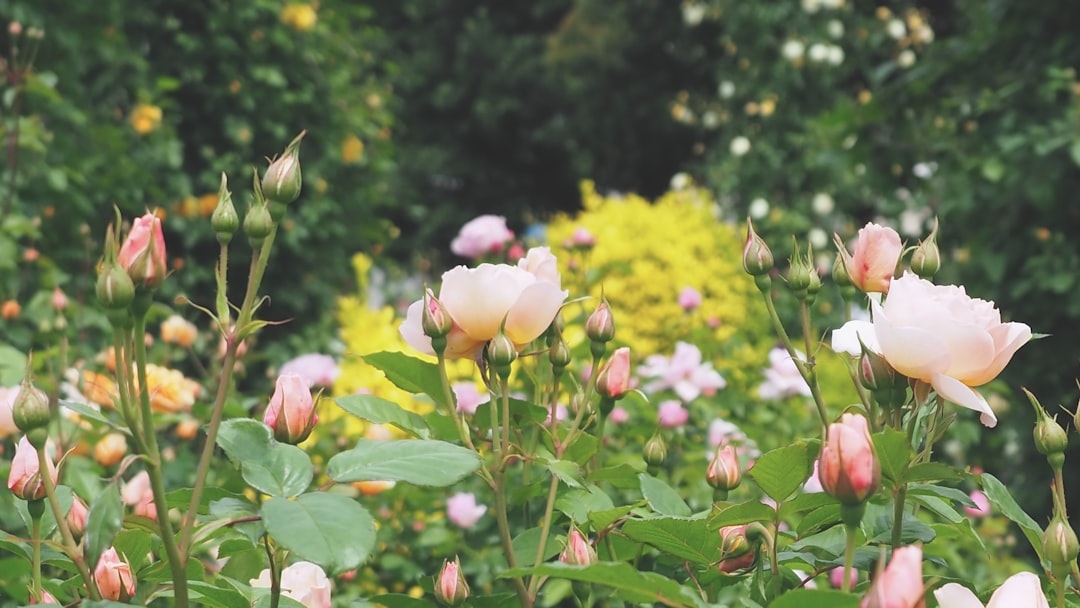
Not all roses smell. Modern hybrid tea roses bred for large blooms and disease resistance often sacrificed scent entirely. For fragrance, seek out old garden roses or specifically labeled “fragrant” cultivars. ‘Mr. Lincoln’ (deep red, strong classic rose scent) and ‘Double Delight’ (cream and red, spicy-sweet) are reliable performers available at most US garden centers for $12–$25 per bare-root plant.
Roses thrive in USDA Hardiness Zones 4–9, making them viable across most of the continental US. In the Northeast, plant in full sun with good air circulation to prevent fungal issues. In Southern states, choose heat-tolerant varieties like ‘Belinda’s Dream’ to avoid summer dieback.
Jasmine: Intense and Intoxicating
Common jasmine (Jasminum officinale) produces one of the strongest floral scents in the plant kingdom. A single vine in bloom can fragrance a 20-foot radius. It’s also a pollinator magnet — bees and hawk moths are primary visitors, making it an excellent eco-friendly choice for gardeners trying to support local insect populations.
Hardy to Zone 7, jasmine works well outdoors year-round in the South and West Coast. In Zones 5–6 (most of the Midwest and Northeast), grow it in a container and bring it indoors before the first frost. Expect to pay $8–$15 for a starter plant at a nursery.
Gardenia: Southern Classic with Northern Potential
Gardenias (Gardenia jasminoides) are the signature scent of Southern porches. They prefer Zones 8–11, which covers the Gulf Coast, Florida, and Southern California. Outside those zones, they’re grown as houseplants or in protected microclimates.
The variety ‘Kleim’s Hardy’ pushes the cold tolerance envelope to Zone 6b, opening up gardenia growing to parts of the mid-Atlantic and lower Midwest. Plant in acidic soil (pH 5.0–6.0) and expect creamy white blooms with a rich, heady scent from late spring through summer.
Lavender: Practical, Fragrant, and Sustainable
Lavender (Lavandula angustifolia) is one of the most beginner-friendly fragrant plants available. It tolerates drought once established, requires minimal fertilizer, and actively supports bee populations — particularly important as native bee habitats continue to decline across the US.
‘Hidcote’ and ‘Munstead’ are compact English lavender varieties that perform well in Zones 5–8. On the West Coast, Spanish lavender (L. stoechas) extends the bloom season into late spring. Lavender costs $4–$10 per plant and can live 10–15 years with proper pruning.
Lilac: A Northeastern Treasure
Few flowers are as tied to a region as lilac is to the Northeast. Syringa vulgaris needs a cold winter — it requires at least 6 weeks below 45°F to bloom properly, which is why it disappoints gardeners in Zones 9 and 10. In New England, upstate New York, and the upper Midwest, it thrives with almost no intervention.
Common purple lilac blooms in May, filling the air with a sweet, slightly powdery scent. A mature shrub can reach 15 feet tall. For smaller gardens, ‘Palibin’ (dwarf Korean lilac) tops out at 5 feet and blooms slightly later, extending the fragrant season.
Sweet Alyssum and Night-Blooming Jasmine: Underrated Picks
Sweet alyssum (Lobularia maritima) is an annual that costs about $2 per seed packet and produces thousands of tiny honey-scented flowers. It’s one of the most affordable ways to add fragrance to a border or container. Night-blooming jasmine (Cestrum nocturnum) releases its scent after dark — ideal for patios used in the evening. Both plants attract beneficial insects and fit naturally into a low-chemical, eco-conscious garden plan.
Practical Tips for Maximizing Garden Fragrance
- Plant near paths and seating areas. Fragrance fades quickly with distance. Put scented plants within 3–4 feet of where people sit or walk.
- Layer bloom times. Choose varieties that flower at different points in the season. Lilacs bloom in May, roses from June through fall, and lavender peaks in July — a staggered plan keeps fragrance present for months.
- Avoid overwatering. Excess moisture dilutes the concentration of aromatic oils in many plants. Water deeply but infrequently.
- Deadhead regularly. Removing spent blooms on roses and lavender encourages the plant to produce new flowers rather than set seed.
- Choose open-pollinated varieties. These are better for pollinators and often more fragrant than heavily hybridized cultivars bred purely for visual appeal.
FAQ: Best Smelling Garden Flowers
What is the most fragrant flower for a garden?
Jasmine (Jasminum officinale) is widely considered the most intensely fragrant garden flower. Its scent is detectable from up to 30 feet away in warm conditions. Gardenia and old garden roses are close competitors.
What fragrant flowers are easiest for beginners?
Lavender and sweet alyssum are the easiest fragrant flowers for beginners. Both are low-maintenance, affordable, drought-tolerant once established, and available at virtually every garden center in the US.
Do fragrant flowers attract more pollinators?
Yes. Scent is a primary pollinator signal. Fragrant flowers like lavender, jasmine, and alyssum attract bees, butterflies, and moths at significantly higher rates than scentless varieties, supporting local ecosystems.
What fragrant flowers grow well in shade?
Sweet woodruff (Galium odoratum) and lily of the valley (Convallaria majalis) both produce pleasant scents and tolerate partial to full shade. Neither performs well in full sun.
Which fragrant flowers work best in containers?
Jasmine, gardenia, lavender, and heliotrope all adapt well to container growing. This makes them ideal for apartment balconies or patios in colder climates where in-ground planting isn’t possible year-round.
Plan Your Fragrant Garden This Season
Start with one or two plants from the list above — lavender and a fragrant rose make an excellent low-risk pairing for first-time gardeners. Visit a local nursery rather than ordering online when possible; you can smell the plants before you buy, and staff can tell you exactly which cultivars perform in your specific zip code and hardiness zone. Once you’ve had one season with a genuinely fragrant garden, you’ll never go back to planting purely for looks.