Contents:
- The Biology Behind the Bloom Cycle
- Month-by-Month Dahlia Bloom Timeline for the Pacific Northwest
- Spring Planting Window: April–May
- Early Season Growth: May–June
- First Blooms: Mid-July
- Peak Bloom: Late July Through September
- Late Season: October–First Frost
- Dahlias Bloom Pacific Northwest: Maximizing Your Display
- Pinching for Better Branching
- Deadheading to Extend Bloom
- Fertilizing at the Right Stage
- Water Management in the Pacific Northwest Climate
- Digging and Storing Tubers After the Season Ends
- Frequently Asked Questions
- When do dahlias bloom in the Pacific Northwest?
- When should I plant dahlia tubers in Oregon or Washington?
- Why aren’t my dahlias blooming yet?
- Do dahlias come back every year in the Pacific Northwest?
- What are the best dahlia varieties for the Pacific Northwest climate?
Dahlias bloom in the Pacific Northwest across one of the longest cutting-flower windows in North America — a fact that surprises many gardeners who assume the region’s famously cool, wet springs limit the season. The Pacific Northwest actually produces some of the world’s finest dahlias, and the Willamette Valley and Puget Sound lowlands are home to major commercial dahlia farms that supply florists nationwide. The mild summers, rich volcanic soil, and moderate humidity create near-ideal conditions for Dahlia species, which are native to the high-altitude meadows of Mexico and Guatemala.
The Biology Behind the Bloom Cycle
Dahlias are tender perennials that grow from tuberous roots. They are photoperiod-sensitive, meaning day length plays a direct role in triggering flower bud formation. As summer days reach 14 or more hours of daylight, the plant shifts energy from vegetative growth to reproductive growth — budding begins. In Pacific Northwest latitudes (roughly 45°N to 49°N), this solar threshold is crossed in late June, setting the stage for first blooms 3 to 5 weeks later.
Soil temperature matters just as much as air temperature. Dahlia tubers need soil consistently above 60°F to break dormancy and push new shoots. In coastal areas like Seattle or Portland, that threshold is typically reached in mid-April at 4-inch depth. Higher elevations or interior valleys can lag 2 to 3 weeks behind.
Month-by-Month Dahlia Bloom Timeline for the Pacific Northwest
Spring Planting Window: April–May
The planting window opens when nighttime lows stay reliably above 40°F and soil temperatures are rising. Most Pacific Northwest gardeners plant tubers between April 15 and May 15. Planting too early — into cold, waterlogged soil — invites tuber rot, which is the leading cause of dahlia failure in this region. A simple soil thermometer, available for under $15, removes all the guesswork.
Early Season Growth: May–June
For the first 6 to 8 weeks after planting, dahlias focus entirely on root and foliage development. You will see lush green growth but no buds. This is normal. Do not panic and do not over-water — dahlias need very little supplemental irrigation until they reach 12 inches in height. Overwatering in this phase is the second most common mistake after planting too early.
First Blooms: Mid-July
The first open flowers typically appear in the second or third week of July. Dinner-plate varieties (those with blooms exceeding 8 inches in diameter) tend to bloom 1 to 2 weeks later than smaller ball or pompon types. If you are growing for a specific event — a wedding, say, or a late-summer garden party — plan around this lag and choose variety size accordingly.
Peak Bloom: Late July Through September
This is the heart of the Pacific Northwest dahlia season. Temperatures between 65°F and 75°F produce the most vivid color saturation and the longest vase life. Cut flowers taken during this window can last 5 to 8 days in a clean vase with fresh water changed daily. The region’s characteristic marine layer and overcast mornings in August actually help — dahlias prefer cool nights and do not perform well when overnight temperatures stay above 70°F, a problem that plagues dahlia growers in hotter climates.
According to Dr. Marina Velasco, PhD, Extension Horticulturist at Oregon State University: “The Pacific Northwest’s diurnal temperature variation — warm days, cool nights — is arguably the single biggest reason our dahlias outperform those grown in most other U.S. regions. The plants store more photosynthates overnight, which translates directly to flower size, stem strength, and color intensity.”
Late Season: October–First Frost
Dahlias continue blooming until a hard frost (28°F or below) kills the foliage. In Portland and the Willamette Valley, first hard frosts typically arrive between October 25 and November 10. In Seattle and the Puget Sound lowlands, the frost-free window extends slightly longer — sometimes into mid-November. This gives Pacific Northwest growers a full 14 to 18 weeks of bloom, compared to just 8 to 10 weeks in the Midwest or Northeast.
Dahlias Bloom Pacific Northwest: Maximizing Your Display
Pinching for Better Branching
When plants reach 12 to 16 inches tall, pinch out the central growing tip just above the third set of leaves. This single action forces 4 to 6 lateral branches to develop instead of one, dramatically increasing total flower count. Growers who skip this step get taller plants with fewer, lower-quality blooms.
Deadheading to Extend Bloom
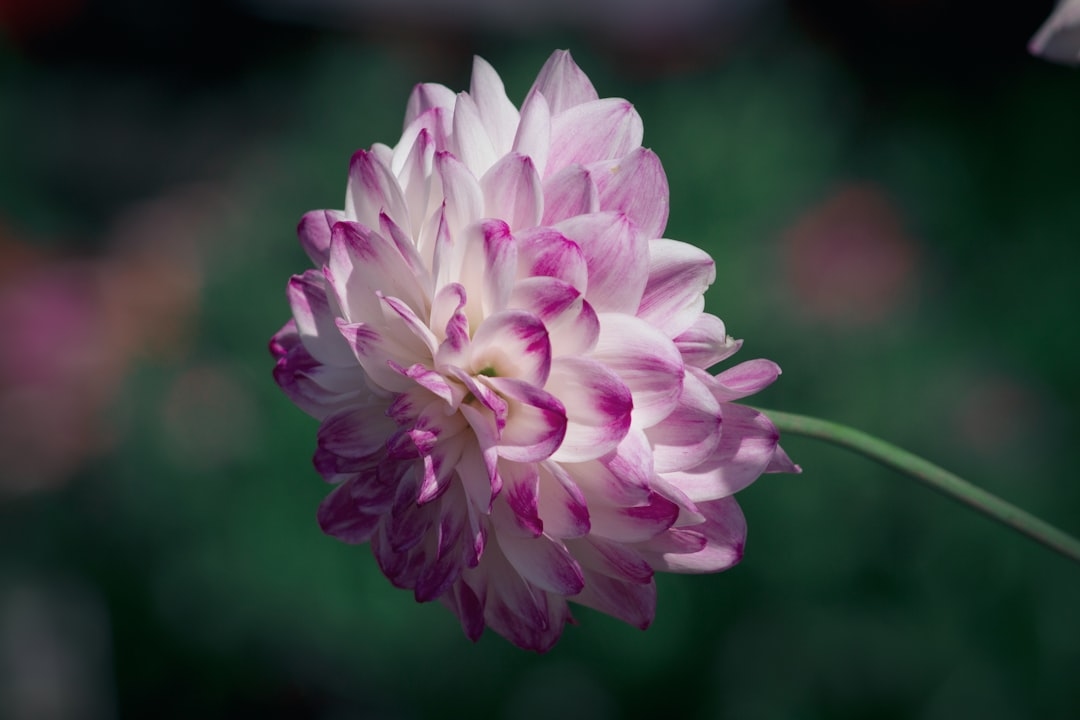
Remove spent flowers as soon as petals begin to drop. A dahlia that is allowed to set seed diverts energy away from producing new buds. Weekly deadheading during peak season can extend productive bloom by 3 to 4 weeks compared to plants left unattended.
Fertilizing at the Right Stage
Use a low-nitrogen fertilizer (look for an N-P-K ratio such as 5-10-10 or 0-10-10) once flower buds appear. High nitrogen earlier in the season encourages foliage — which is fine during the vegetative phase — but too much nitrogen during budding produces lush leaves and delayed or reduced flowering. A mid-season application of potassium-rich fertilizer improves stem strength and flower longevity.
Water Management in the Pacific Northwest Climate
The region’s wet winters and dry summers mean most Pacific Northwest gardens receive adequate rainfall through May, then require supplemental irrigation from June onward. Dahlias perform best with 1 to 1.5 inches of water per week during the growing season. Drip irrigation at the base of the plant — rather than overhead watering — reduces the risk of powdery mildew, which thrives in this climate’s cool, humid conditions.
Digging and Storing Tubers After the Season Ends
After the first hard frost blackens the foliage, wait 1 to 2 weeks before digging. This rest period allows the skin of the tubers to cure slightly and improves storage success. Dig carefully with a garden fork, label each clump by variety, and store in a cool (40°F to 50°F), dry location in slightly damp peat moss or coarse vermiculite. A basement, garage, or root cellar works well. Properly stored tubers reliably overwinter and can be divided and replanted the following spring, compounding your collection year over year without additional cost.
Frequently Asked Questions
When do dahlias bloom in the Pacific Northwest?
Dahlias in the Pacific Northwest typically begin blooming in mid-July and continue until the first hard frost, usually in October or November. Peak bloom is from late July through September, giving the region a 14 to 18-week flower season.
When should I plant dahlia tubers in Oregon or Washington?
Plant dahlia tubers between mid-April and mid-May, once soil temperatures at 4-inch depth reach 60°F and the risk of hard frost has passed. Planting too early into cold, wet soil causes tuber rot.
Why aren’t my dahlias blooming yet?
The most common reasons are planting too late, insufficient sunlight (dahlias need a minimum of 6 full sun hours daily), or skipping the pinching step. If plants were set out in mid-May, first blooms before mid-July are uncommon regardless of care.
Do dahlias come back every year in the Pacific Northwest?
In USDA Hardiness Zones 8 and above — which includes most of the Portland metro area and the Puget Sound lowlands — dahlia tubers can sometimes overwinter in the ground with a thick mulch layer. However, digging and storing tubers indoors is strongly recommended everywhere in the region to prevent loss from prolonged freezing or saturated soils.
What are the best dahlia varieties for the Pacific Northwest climate?
Ball and pompon varieties such as ‘Cornel’ and ‘Franz Kafka’ are reliable early performers. For dinner-plate types, ‘Café au Lait’, ‘Labyrinth’, and ‘Thomas Edison’ thrive in the region’s climate and are widely available from Pacific Northwest dahlia specialty growers like Swan Island Dahlias in Canby, Oregon.
The Pacific Northwest’s dahlia season is genuinely exceptional by national standards — longer, more colorful, and more forgiving than most gardeners expect when they first plant a few tubers in spring. Understanding the biology behind the bloom cycle, respecting the soil temperature constraints in May, and committing to simple mid-season maintenance like pinching and deadheading will reward you with armloads of flowers from July through autumn’s first freeze. If you are ready to expand your plantings, ordering tubers from a regional grower in late winter — January through March — gives you the widest variety selection before stock sells out for the season.