Contents:
- Why Flower Selection Matters More Than Technique
- The Best Flowers for Pressing: Top Picks by Category
- Small, Flat Blooms (Best for Beginners)
- Intermediate Options With Stunning Results
- Flowers to Approach With Caution
- Regional Differences: What Grows Best Depends on Where You Live
- Expert Insight: Timing Your Harvest
- Practical Tips for Getting the Best Results
- Frequently Asked Questions
- What is the easiest flower to press for beginners?
- How long does it take to press flowers?
- Do pressed flowers keep their color?
- Can you press flowers without a flower press?
- What flowers should you avoid pressing?
- Ready to Start Pressing? Here’s Your First Project
Most people assume the best flowers for pressing are simply whatever’s blooming in their backyard — and that’s exactly how you end up with a soggy, brown mess between the pages of a heavy book. The truth is, flower pressing is a craft with real technique behind it, and choosing the right blooms from the start makes the difference between a keepsake that lasts decades and one that crumbles in a year.
The good news? Once you know what to look for, picking press-worthy flowers becomes second nature. Let’s get into it.
Why Flower Selection Matters More Than Technique
You can own the best flower press on the market, use archival-quality paper, and still end up with disappointing results if your flowers have too much moisture or are structurally too thick to flatten properly. Pressed flower art depends on three key qualities in your blooms: low moisture content, flat or single-layer petal structure, and rich, stable pigment.
Flowers with hollow stems or fleshy petals — think tulips and gardenias — trap water and almost always turn brown. Meanwhile, thin-petaled, low-moisture flowers like violas and Queen Anne’s lace press beautifully and hold color for 5 to 10 years when stored correctly.
The Best Flowers for Pressing: Top Picks by Category
Small, Flat Blooms (Best for Beginners)
If you’re just starting out, these flowers offer the highest success rate:
- Pansies and violas — Flat faces, thin petals, and vivid color. They press in as little as 1 to 2 weeks and are nearly foolproof.
- Cosmos — Delicate, daisy-like petals that dry evenly. Available in pink, white, and deep burgundy, they add elegance to any arrangement.
- Forget-me-nots — Tiny clusters of blue flowers that retain color exceptionally well. Perfect for filling negative space in pressed flower art.
- Daisies (Bellis perennis) — Classic and cooperative. Remove or thin the center button slightly before pressing to reduce bulk.
Intermediate Options With Stunning Results
- Larkspur — Individual florets press beautifully and dry to a rich violet-blue that photographers love. Harvest before the spike is fully open.
- Queen Anne’s lace — The lacy, umbrella-shaped head presses flat in one piece. Soak briefly in a solution of 1 part glycerin to 2 parts water before pressing for extra suppleness.
- Hydrangea florets — Separate individual florets from the cluster. Each one presses perfectly and the range of colors — from blush to indigo — is remarkable.
- Ferns and foliage — Not flowers, but essential. Maidenhair fern and pressed eucalyptus leaves add structure and contrast to finished pieces.
Flowers to Approach With Caution
Roses can work, but only if you press individual petals rather than the whole bloom. Sunflowers require removing the center disc entirely and pressing the petals separately. Avoid dahlias and peonies unless you’re experienced — their high moisture content demands silica gel drying first.
🌿 What the Pros Know: Professional botanical artists often harvest flowers the morning after a dry spell — never right after rain or irrigation. Blooms collected between 9 and 11 a.m., after the dew has evaporated but before the afternoon heat stresses the plant, have the lowest internal moisture and press fastest. Cut stems at an angle, blot with a paper towel immediately, and press within two hours of harvesting for best results.
Regional Differences: What Grows Best Depends on Where You Live
Your geography shapes your pressing palette more than most guides admit. Gardeners in the Northeast have a natural advantage with larkspur, bleeding heart, and native violets — all of which press with minimal effort in the region’s moderate summers. In the South, the high humidity is the enemy of fresh pressing, but native wildflowers like black-eyed Susans and coreopsis are abundant and press reliably if you work quickly and use silica gel to pre-dry them. On the West Coast, the dry Mediterranean climate of California is practically ideal — native poppies (though they fade quickly), statice, and strawflowers press flat with exceptional color retention and are commercially grown there for exactly this reason.
If you’re in USDA Hardiness Zones 3–5 in the upper Midwest, focus on short-season bloomers: sweet William, bachelor’s buttons, and annual phlox all perform well and are ready to press by mid-June.
Expert Insight: Timing Your Harvest
“The single biggest mistake hobby pressers make is waiting until a flower is fully open,” says Maren Holloway, a botanical illustrator and floral designer with 18 years of experience in pressed flower art based in Asheville, NC. “You want to press at about 75% bloom — that’s when the petals are fully colored but still have enough structure to hold their shape through the drying process. A fully opened bloom has already started breaking down at the cellular level.”
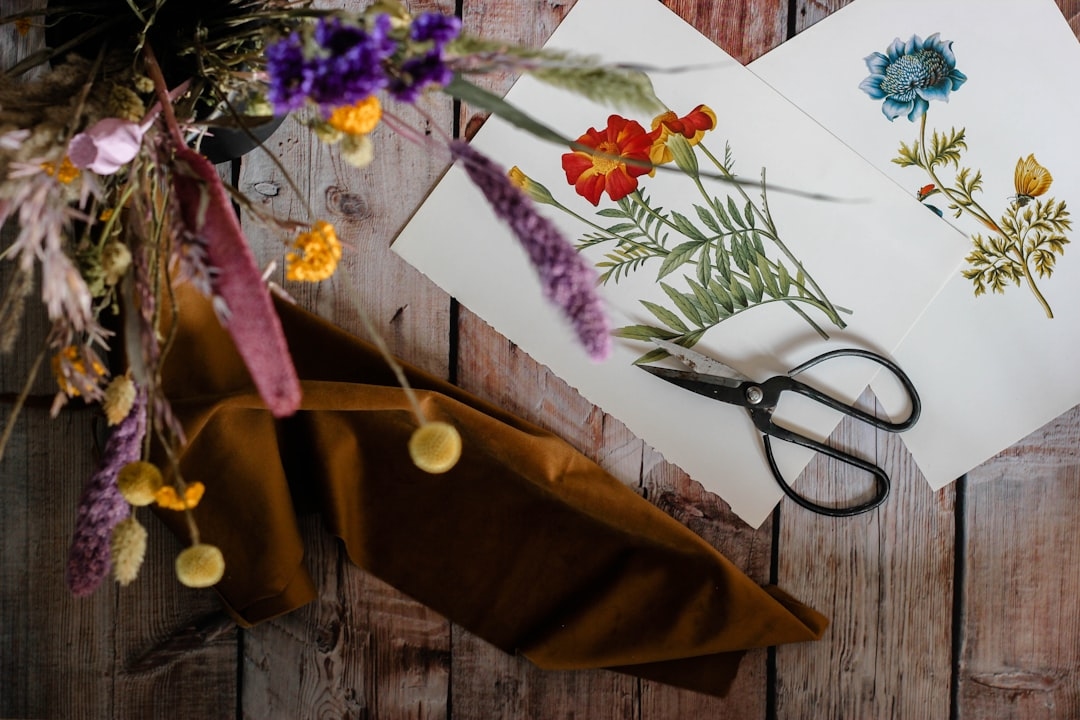
Holloway also recommends pressing duplicates of every flower. “Press three of everything. One will be perfect, one will be average, and one will disappoint you. That’s just the nature of working with living material.”
Practical Tips for Getting the Best Results
- Use blotting paper, not newspaper. Newspaper ink can transfer and stain petals. Unbleached blotting paper or watercolor paper pulls moisture without leaving residue.
- Change the paper every 24 to 48 hours for the first week. This is the step most beginners skip, and it’s the one that prevents mold.
- Press at consistent pressure. A dedicated flower press with wing nuts delivers about 15 to 20 lbs of even pressure — far more consistent than stacking books, which shift and settle unevenly.
- Label everything immediately. Once dried, many flowers become nearly impossible to identify. A small slip of paper with the flower name and date pressed takes seconds and saves enormous frustration.
- Store finished pressings flat in acid-free envelopes inside a cool, dark drawer. Heat and UV light are the primary causes of color fading over time.
Frequently Asked Questions
What is the easiest flower to press for beginners?
Pansies and violas are widely considered the easiest flowers for pressing. They have flat, thin petals, low moisture content, and vibrant color that holds well. They typically press fully in 1 to 2 weeks.
How long does it take to press flowers?
Most flowers take 2 to 4 weeks to press completely using a traditional flower press. Thicker flowers may take up to 6 weeks. Changing the blotting paper every 48 hours during the first week speeds up the process significantly.
Do pressed flowers keep their color?
Many flowers retain color for 5 to 10 years when stored away from direct sunlight and heat. Yellow and blue flowers tend to fade fastest. Pressing at 75% bloom and using silica gel pre-drying for moisture-heavy varieties improves color longevity.
Can you press flowers without a flower press?
Yes. Place flowers between sheets of blotting paper and stack heavy books on top — aim for at least 20 lbs of weight. The main drawback is uneven pressure and difficulty changing the paper regularly, which increases mold risk.
What flowers should you avoid pressing?
Avoid fleshy or moisture-heavy flowers like tulips, gardenias, and full dahlias for whole-bloom pressing. These almost always brown before drying. If you love these blooms, press individual petals separately after pre-drying with silica gel crystals.
Ready to Start Pressing? Here’s Your First Project
Pick up a packet of mixed pansy seeds or grab a flat from a local nursery — they cost around $4 to $8 and will give you dozens of press-ready blooms in a range of colors. Pair them with a few stems of Queen Anne’s lace from a farmers market or roadside, and you have everything you need to create your first pressed flower composition. Frame it in a UV-protective glass frame, and you’ll have a piece that looks handcrafted — because it absolutely is.