Contents:
- Understanding What Makes a Great Hanging Basket Flower
- The Best Hanging Basket Flowers by Season
- Spring: Cool-Season Stars
- Summer: Heat-Tolerant Showstoppers
- Fall: Extending the Season
- Top Hanging Basket Flower Combinations That Actually Work
- Practical Tips for Keeping Hanging Basket Flowers Thriving
- Watering: The Single Biggest Factor
- Feeding for Continuous Blooms
- Deadheading and Pruning
- Budget Breakdown: What to Expect to Spend
- Seasonal Planting Calendar at a Glance
- Frequently Asked Questions About Hanging Basket Flowers
- What are the longest-blooming flowers for hanging baskets?
- What hanging basket flowers do well in full shade?
- How often should I water hanging basket flowers?
- Can I overwinter hanging basket flowers?
- What is the best potting mix for hanging baskets?
- Ready to Hang Something Beautiful?
Hanging basket flowers have been beautifying homes for centuries — the ancient Babylonians reportedly cascaded trailing plants from elevated terraces as early as 600 BC, a concept so compelling that Victorian England turned it into a full-blown horticultural obsession. By the 1800s, ornate wire baskets dripping with fuchsias and ivy were considered a mark of a well-kept household. Fast forward to today, and that same instinct to fill vertical space with color and texture is just as alive — and the plant options have never been better.
If you’ve already got a few seasons of container gardening under your belt, you know that a hanging basket isn’t just a pot with a hook. It dries out faster, gets more wind exposure, and demands plants that can handle the spotlight from all angles. Choosing the right combination makes the difference between a basket that turns heads and one that limps through July looking apologetic.
Understanding What Makes a Great Hanging Basket Flower
Not every pretty flower belongs in a basket. The best candidates share a few key traits: they tolerate some drought stress between waterings, they look attractive from below (not just from the front), and they either trail, mound, or do both. A well-designed basket typically combines a thriller (upright focal point), a filler (mounding mid-layer), and a spiller (trailing edge plant). Nail that trio and your basket practically designs itself.
Root space matters more than most gardeners realize. A standard 14-inch basket holds roughly 4–6 plants comfortably. Crowding more than that might look lush at first but leads to root competition and faster decline by midsummer. Go with 3 plants in a 10-inch basket or up to 8 in an 18-inch planter if you want that full, overflowing look without strangling your plants.
The Best Hanging Basket Flowers by Season
Spring: Cool-Season Stars
Spring baskets thrive on plants that love temperatures in the 45–65°F range. Pansies are the classic choice — they handle light frost and come in an enormous range of colors. Pair them with trailing lobularia (sweet alyssum) and a few stems of ivy for a basket that looks intentional rather than thrown together. Calibrachoa (often called Million Bells) also starts strong in spring and keeps blooming well into fall if deadheaded regularly.
In USDA Hardiness Zones 6–8, you can typically hang spring baskets outdoors by mid-April. Zones 4–5 should wait until after May 15 to avoid frost damage to tender new growth.
Summer: Heat-Tolerant Showstoppers
Summer is when hanging baskets really earn their keep — and when the wrong plant choices become painfully obvious. Petunias remain the most popular summer basket flower in the US for good reason: Wave and Supertunia varieties trail up to 36 inches and need minimal deadheading. Bacopa adds delicate white or pink filler without competing for attention. For sun-drenched spots (6+ hours of direct light), portulaca is nearly indestructible and produces jewel-toned blooms all summer long.
In shadier locations, fuchsias are spectacular — their pendulous blooms practically beg to be hung. Combine with impatiens and trailing creeping Jenny for a shade basket that looks professionally designed. Fuchsias prefer temps below 85°F, so in Zones 9–10, give them afternoon shade.
Fall: Extending the Season
Many gardeners abandon their baskets in September, which is a missed opportunity. Ornamental kale, trailing pansies, and dusty miller can carry a basket well into November in most of the country. Swap out spent summer annuals around Labor Day and refresh with these cool-season workhorses. In Zones 7 and warmer, a fall basket can realistically last until December.
Top Hanging Basket Flower Combinations That Actually Work
Single-variety baskets are low-risk but low-reward. Mixed plantings create more visual interest and, when chosen well, perform better because different plants have slightly different peak periods, keeping the basket looking full even when one variety takes a temporary break.
- Sun combo: Supertunia Vista Bubblegum (thriller) + Calibrachoa Superbells (filler) + Dichondra Silver Falls (spiller). This trio is nearly self-maintaining and holds color from May to frost.
- Shade combo: Upright fuchsia + white impatiens + creeping Jenny. Lush, Victorian-inspired, and surprisingly low-maintenance.
- Drought-tolerant combo: Portulaca + moss verbena + trailing gazania. Perfect for gardeners who travel or forget to water.
- Fragrant combo: Trailing lobularia + heliotrope + scented geranium. Hang near a patio door for maximum effect.
Practical Tips for Keeping Hanging Basket Flowers Thriving
Watering: The Single Biggest Factor
A 14-inch hanging basket in full sun may need watering once or even twice daily during July and August heat. Stick your finger 1 inch into the soil — if it’s dry, water until it runs freely from the drainage holes. A moisture-retentive liner (coco coir outperforms sphagnum moss for water retention by roughly 30%) and mixing in water-retaining polymer crystals at planting time can cut your watering frequency significantly.
Feeding for Continuous Blooms
Heavy watering leaches nutrients fast. Use a balanced slow-release fertilizer at planting (Osmocote 14-14-14 is a reliable option), then supplement with a liquid bloom booster like Jack’s Blossom Booster (10-30-20) every 7–10 days through the growing season. Plants in baskets simply can’t pull nutrients from surrounding soil the way in-ground plants can — consistent feeding is non-negotiable.
Deadheading and Pruning
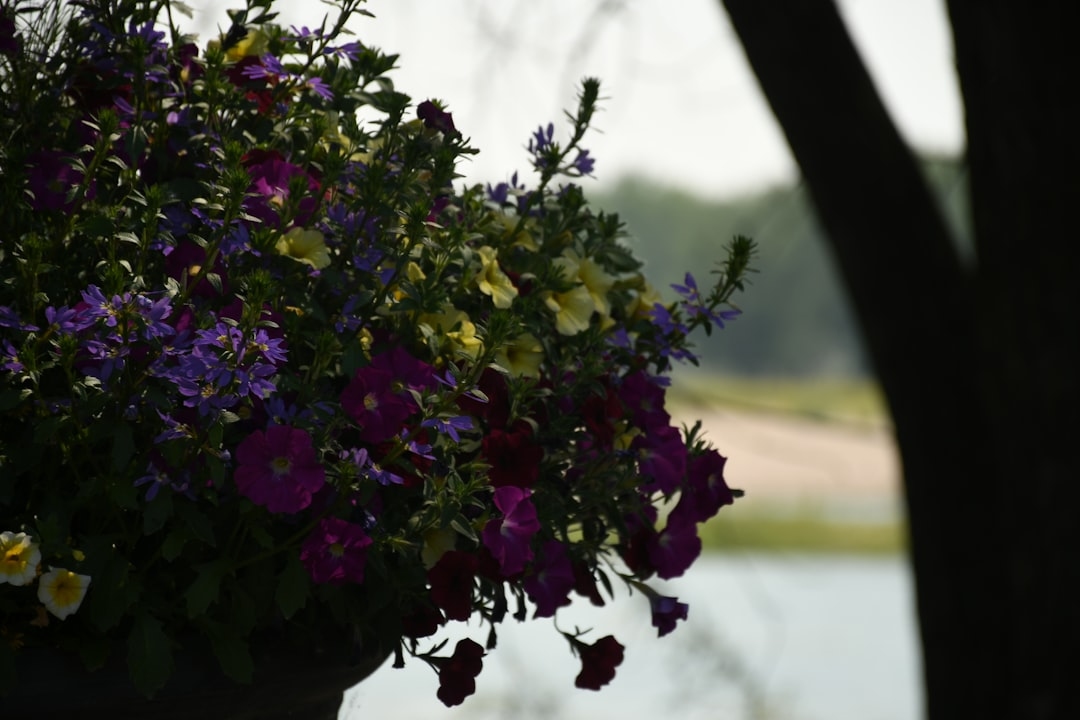
Self-cleaning varieties like Wave Petunias and Calibrachoa don’t need deadheading, but most others do. Beyond removing spent flowers, don’t be afraid to cut trailing stems back by one-third in midsummer if they get leggy. Plants almost always respond with a flush of fresh growth within 10–14 days.
🌿 What the Pros Know
Professional landscape designers often plant baskets at double the density recommended on plant tags — then aggressively fertilize to compensate. The result is that full, overflowing look you see at botanical gardens and resort properties. The key is using a high-quality potting mix (not garden soil, which compacts and suffocates roots) and committing to a weekly liquid feed schedule. Don’t skimp on the potting mix: a premium blend like Fox Farm Ocean Forest or Pro-Mix BX makes a measurable difference in plant health and longevity.
Budget Breakdown: What to Expect to Spend
Hanging baskets can cost anywhere from almost nothing to a surprising amount, depending on your approach:
- Pre-planted retail basket: $18–$45 at most garden centers. Convenient but limited in variety and often root-bound by the time you buy them.
- DIY basket (materials + plants): $12–$25 for a 14-inch wire basket, coco liner, and potting mix; add $10–$20 for 4–6 annuals in 4-inch pots. Total: roughly $22–$45 per basket, with full control over plant selection.
- Premium designer combo packs: Specialty growers like Proven Winners sell pre-tagged combination kits for $25–$40, which take the guesswork out of pairing plants.
- Seasonal fertilizer budget: Factor in roughly $10–$15 per basket per season for liquid feed if you’re going the DIY route.
For most hobbyist gardeners, DIY offers the best value and the most creative satisfaction — especially once you’ve developed a feel for which combinations work in your specific microclimate.
Seasonal Planting Calendar at a Glance
- February–March: Start seeds indoors (petunias, lobelia, impatiens take 10–12 weeks to transplant size).
- April (Zones 7–10): Plant and hang cool-season baskets outdoors.
- Mid-May (Zones 4–6): Safe to hang summer baskets after last frost date.
- June–August: Peak watering and feeding season; check moisture daily in hot weather.
- Late August: Midseason cutback to rejuvenate leggy plants.
- Early September: Swap summer annuals for cool-season fall plantings.
- October–November: Enjoy fall baskets; bring indoors or compost before hard freeze.
Frequently Asked Questions About Hanging Basket Flowers
What are the longest-blooming flowers for hanging baskets?
Calibrachoa, Wave Petunias, and Bacopa are among the longest-blooming options, typically flowering continuously from spring planting through the first fall frost — a window of 5 to 6 months in most US climates. Regular feeding and deadheading (where required) are key to sustaining that bloom period.
What hanging basket flowers do well in full shade?
Fuchsias, impatiens, begonias (especially the Dragon Wing variety), and trailing torenia all perform well in full shade. For foliage interest, combine with creeping Jenny or Persian shield. Avoid sun-lovers like petunias and portulaca in shady spots — they simply won’t bloom.
How often should I water hanging basket flowers?
In summer heat, most hanging baskets need water daily, and sometimes twice daily in temperatures above 90°F. A basket is ready to water when the top inch of soil feels dry to the touch, or when the basket feels noticeably lighter when lifted. Installing a drip irrigation timer is a practical solution for gardeners who travel frequently.
Can I overwinter hanging basket flowers?
Some hanging basket plants are technically perennials in warmer zones. Fuchsias can be overwintered indoors in a cool, bright space and cut back in late winter for spring regrowth. Geraniums (pelargoniums) overwinter well in a garage or basement at around 45–50°F. Most tropical annuals like impatiens and petunias are not worth overwintering — they’re faster and cheaper to replace in spring.
What is the best potting mix for hanging baskets?
Use a premium, lightweight potting mix — not garden soil or heavy topsoil. Look for mixes that contain perlite or bark for drainage, and consider blending in 10–15% water-retaining polymer crystals to reduce watering frequency. Avoid generic “potting soil” labeled for in-ground use, as it compacts quickly in containers and restricts root development.
Ready to Hang Something Beautiful?
Start with one basket this season — pick a location first (full sun vs. shade), then match your plant selection to those conditions. Once you’ve seen how dramatically the right combination can transform a porch, fence, or pergola, one basket has a way of turning into six. Visit your local independent garden center rather than a big-box store; they typically carry regionally appropriate varieties and staff who can advise on what actually thrives in your specific zip code. Your best basket is one growing season away.