Contents:
- Why Flower Choice Matters More Than Most Couples Realize
- The Most Popular Wedding Flowers, Ranked by Demand
- Roses — The Universal Standard
- Peonies — The Spring Favorite
- Hydrangeas — The High-Volume Filler That Isn’t Really a Filler
- Ranunculus — The Underrated Workhorse
- Dahlias — The Fall Wedding MVP
- Eucalyptus — Greenery That Does the Heavy Lifting
- Baby’s Breath — Rehabilitated and Relevant
- Regional Differences Worth Knowing
- Seasonal Wedding Flower Calendar
- Practical Tips for Choosing Wedding Flowers
- FAQ: Most Popular Wedding Flowers
- What is the single most popular flower used in weddings?
- What wedding flowers are cheapest without looking cheap?
- What flowers are most popular for spring weddings?
- Can I mix seasonal and non-seasonal flowers in my wedding arrangements?
- How far in advance should I order wedding flowers?
- Make Your Flower Budget Work Harder
Here’s something most brides never hear from their florist: the average American wedding uses between 150 and 200 individual flower stems — and roughly 60% of that total comes from just five flower varieties. Knowing which flowers actually make up the most popular wedding flowers ordered in the US can save you hundreds of dollars and prevent last-minute surprises when your top pick is out of season.
This guide breaks down the real workhorses of wedding floristry — the blooms that show up in bouquets, centerpieces, and ceremony arches week after week — and why each one earns its place.
Why Flower Choice Matters More Than Most Couples Realize
Flowers aren’t just decoration. They set color temperature, texture, and scale for the entire visual story of a wedding. A tight cluster of ivory garden roses reads formal and European. A loose mix of sunflowers and zinnias reads casual and American countryside. Flower choice is a design decision, not a shopping decision.
Cost follows availability. A peony that retails for $2.50 per stem in May can jump to $6 or more in October when florists are importing from the Southern Hemisphere. Choosing flowers in season for your wedding month is one of the most actionable ways to control your floral budget.
The Most Popular Wedding Flowers, Ranked by Demand
1. Roses — The Universal Standard
No flower touches roses in sheer volume. They account for an estimated 35% of all cut flowers sold in the United States. For weddings specifically, garden roses — varieties like David Austin’s Juliet or Keira — are the premium choice, with a single stem running $3–$8 depending on the grower and season. Standard hybrid tea roses are available year-round and cost significantly less at $0.75–$2 per stem.
Roses work in literally every arrangement format: tight bouquets, loose cascades, flower crowns, and large centerpieces. White, blush, and cream tones dominate wedding orders, but dusty mauve and terracotta have grown sharply in popularity since 2026.
2. Peonies — The Spring Favorite
Peonies have a narrow window: mid-April through mid-June in the US. Outside that window, you’re paying import premiums or accepting substitutes. Within season, they’re one of the most abundant and cost-effective choices at $2–$4 per stem wholesale.
Their lush, layered heads photograph exceptionally well, which is a real reason — not a sentimental one — why they dominate spring wedding Pinterest boards. A single peony can replace three to four standard roses in visual weight, making them efficient for large centerpiece builds.
3. Hydrangeas — The High-Volume Filler That Isn’t Really a Filler
One hydrangea head fills the space of roughly 15 standard blooms. That structural density makes them a florist’s tool for building out large arrangements without inflating stem counts. White and blush varieties are the wedding standards. Blue hydrangeas are more common in coastal and New England weddings, where the color palette skews cooler and more nautical.
Availability is strong from June through September domestically. Winter weddings relying on hydrangeas should budget for imported stems, which can double per-stem costs.
4. Ranunculus — The Underrated Workhorse
Ranunculus looks like a rose had a conversation with a peony and split the difference. Smaller than either, with tightly layered petals, they’re a spring bloom available February through May. At $1.50–$3.50 per stem, they’re one of the best value flowers for brides who want a lush, romantic look without the full garden-rose price tag.
They hold up well in heat for several hours, making them practical for outdoor ceremonies in mild spring climates — a genuine advantage over more delicate choices like sweet peas or anemones.
5. Dahlias — The Fall Wedding MVP
Dahlias peak July through October, which makes them the dominant choice for fall weddings. Café au lait — a warm blush-taupe variety — is specifically one of the most searched wedding flowers in the US. Dinner plate dahlias, which can reach 10–12 inches across, create instant drama in ceremony arches and tall centerpieces.
Pricing ranges from $2–$6 per stem, with large dinner plate varieties at the higher end. Local farm sourcing is widely available in the Midwest and Pacific Northwest, which can reduce costs and improve stem freshness significantly.
6. Eucalyptus — Greenery That Does the Heavy Lifting
Silver dollar eucalyptus and seeded eucalyptus are now staples in American wedding floristry. They add volume, texture, and a subtle fragrance without competing with the focal flowers. A bunch of 25 stems runs roughly $8–$14, making it one of the most cost-efficient ways to fill out arrangements.
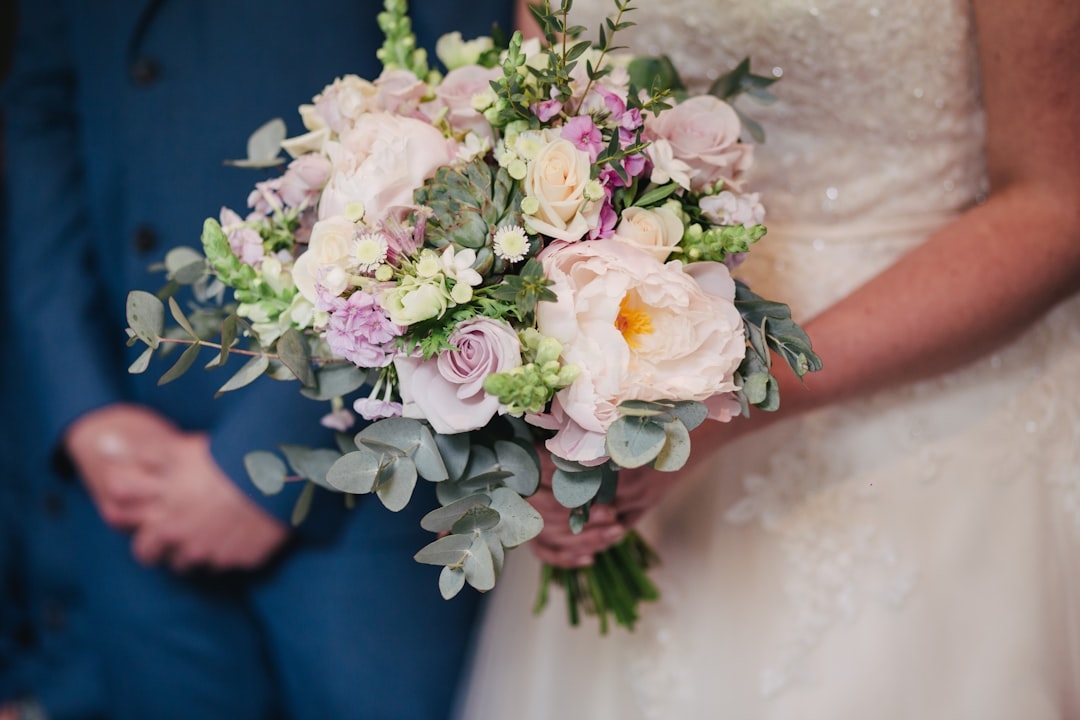
Greenery-forward arrangements — sometimes called “garden style” — use eucalyptus as a primary design element rather than a background filler. This approach can reduce total flower costs by 20–30% while producing arrangements that photograph as lush and full.
7. Baby’s Breath — Rehabilitated and Relevant
Baby’s breath had a decades-long reputation as cheap filler. That’s reversed. Cloud-like masses of gypsophila now appear in high-end editorial and luxury weddings, particularly for ceiling installations and oversized ceremony backdrops. It remains inexpensive at $0.50–$1.50 per bunch, but its applications have expanded dramatically.
Regional Differences Worth Knowing
Flower preferences shift meaningfully across US regions. Northeast weddings — particularly in New England — lean toward classic European palettes: ivory, white, sage, and dusty blue. Garden roses, hydrangeas, and lisianthus are common anchors. Southern weddings favor magnolia leaves, gardenias, and white blooms with strong fragrance — gardenias specifically are almost culturally specific to the South given their heat tolerance and scent. West Coast weddings, especially in California, lean into protea, dried grasses, citrus branches, and wildflower-adjacent arrangements that reflect local native landscapes. Farm-to-table floristry is most developed in Northern California and the Pacific Northwest, where brides can source directly from local growers with 48-hour lead times.
Seasonal Wedding Flower Calendar
- January – March: Tulips, anemones, amaryllis, forced hyacinths, camellias
- April – June (Peak Spring): Peonies, ranunculus, lilacs, sweet peas, garden roses, lily of the valley
- July – September (Peak Summer): Dahlias, sunflowers, lisianthus, zinnias, lavender, hydrangeas
- October – December (Fall/Winter): Late dahlias, marigolds, chrysanthemums, amaryllis (again), hellebores, winter berries
Roses, eucalyptus, and baby’s breath are available year-round from domestic and international growers. Everything else follows the calendar above — and florists who tell you otherwise are sourcing from South America or Holland at a premium you’ll absorb.
Practical Tips for Choosing Wedding Flowers
- Book your florist 9–12 months out for peak season dates (May, June, September, October). Florists in metro markets fill up faster than most couples expect.
- Bring a tight reference image, not a mood board. A single clear photo of a bouquet you love is worth more than 40 Pinterest saves when communicating with your florist.
- Ask for a “market substitution” clause in your contract. This allows your florist to swap a flower that becomes unavailable without voiding the agreement — standard practice but rarely explained upfront.
- Prioritize stem count over flower variety. A 40-stem bouquet of one well-chosen flower often looks more intentional than a 40-stem bouquet of eight varieties competing for attention.
- Test heat tolerance before your wedding day. Ask your florist to leave a sample arrangement at room temperature (72–75°F) for four hours. If it wilts visibly, it needs conditioning or a different flower choice.
FAQ: Most Popular Wedding Flowers
What is the single most popular flower used in weddings?
Roses. They account for approximately 35% of all cut flowers sold in the US and appear in some form in the majority of American weddings, regardless of style, budget, or region.
What wedding flowers are cheapest without looking cheap?
Baby’s breath, carnations (particularly garden spray varieties), lisianthus, and chrysanthemums deliver strong visual impact at low cost. Lisianthus in particular is frequently mistaken for garden roses at a fraction of the price — typically $1–$2 per stem.
What flowers are most popular for spring weddings?
Peonies, ranunculus, tulips, sweet peas, and lily of the valley peak in spring. April through June is the strongest window for domestic availability of all four, which keeps costs lower and stem quality higher than any other season.
Can I mix seasonal and non-seasonal flowers in my wedding arrangements?
Yes. Most florists do this routinely. Year-round staples like roses and eucalyptus pair well with seasonal focal flowers. Just budget for higher per-stem costs on any out-of-season blooms your florist needs to source from international markets.
How far in advance should I order wedding flowers?
Book your florist 9–12 months in advance for peak season dates. The florist will place final orders with their wholesaler roughly 5–7 days before your wedding. For rare or specialty flowers — peonies in fall, gardenias in winter — confirm sourcing plans at least 6 weeks out.
Make Your Flower Budget Work Harder
The most popular wedding flowers are popular for a reason: they’re reliable, widely available, and proven to photograph well under real-world conditions. Roses, peonies, dahlias, ranunculus, hydrangeas, and eucalyptus aren’t trends — they’re the foundation of American wedding floristry because they deliver results consistently.
Your next step: match your wedding month to the seasonal calendar above, identify two or three flowers that align with both your aesthetic and your timeline, then contact at least three local florists for itemized quotes. Florists who break down pricing by stem count — rather than giving you a single package total — are the ones worth hiring. That transparency is where you’ll find both the best flowers and the best value.