Contents:
- Why March Is a Critical Month for Texas Flower Gardens
- Best Flowers to Plant in March in Texas
- Cool-Season Flowers Still Going Strong
- Warm-Season Flowers to Start in March
- Native and Drought-Tolerant Options Worth Considering
- A Common Mistake: Confusing Impatiens With Vinca
- Reader Story: The March Gamble That Paid Off
- Practical Tips for Planting Flowers in March in Texas
- Frequently Asked Questions
- What flowers can I plant in March in Texas without worrying about frost?
- Can I direct sow flower seeds in March in Texas?
- What is the easiest flower to grow in Texas in spring?
- How do I keep flowers from dying in Texas summer heat?
- Are bluebonnets hard to grow in Texas?
- Start Now — Summer Arrives Fast
March in Texas is deceptive. One week it’s 75°F and sunny, the next a cold front rolls in and you’re scrambling to cover seedlings. That tension — warm enough to feel like spring, unpredictable enough to punish the overconfident — is exactly why so many Texas gardeners get March wrong. Plant too early with the wrong choices, and you lose everything to a late frost. Wait too long, and the brutal summer heat arrives before your flowers ever bloom. The good news: when you plant flowers in March in Texas with a clear plan, you’re working with some of the best growing conditions the state offers.
Why March Is a Critical Month for Texas Flower Gardens
Texas doesn’t follow standard planting calendars. The state spans USDA Hardiness Zones 6a through 10b — meaning a gardener in Amarillo and one in Brownsville are essentially gardening in different countries. March straddles the line between late winter and early spring across most of the state, making it a high-opportunity, high-risk month.
In Central and South Texas, soil temperatures in March typically climb above 60°F — the threshold at which most warm-season annuals germinate reliably. North Texas may still hover in the upper 50s. That 5-degree difference matters more than most gardeners realize. A soil thermometer (available for under $15 at any garden center) is one of the most useful tools you can own.
The last frost date also varies dramatically: Dallas averages its last frost around March 3, Austin around February 20, and Houston as early as February 5. San Antonio falls between Austin and Houston. Knowing your specific last frost date — not just your city — shapes every planting decision you make this month.
Best Flowers to Plant in March in Texas
Cool-Season Flowers Still Going Strong
Early March is not too late for cool-season bloomers. These thrive in the mild temperatures before summer arrives and will fade once sustained heat kicks in — usually by late May in most of Texas.
- Pansies (Viola tricolor): Already established pansies from fall will push a second flush of blooms in March. If you’re planting fresh transplants, do it in early March before daytime highs consistently exceed 80°F.
- Snapdragons (Antirrhinum majus): Excellent for Central and North Texas in March. They tolerate light frost and bloom prolifically in cool weather. Plant transplants 6–8 inches apart for a dense, showy display.
- Larkspur (Consolida ajacis): Direct sow seeds in early March in North Texas. South Texas gardeners should have planted these in fall, but a March sowing can still yield results before summer shuts them down.
- Dianthus: Performs well through April in most Texas regions. Compact varieties like ‘Telstar’ stay under 10 inches and tolerate drier conditions — useful in Texas’s inconsistent spring rainfall.
Warm-Season Flowers to Start in March
This is where March gets exciting. South and Central Texas can direct-sow or transplant many warm-season annuals by mid-March. North Texas gardeners should wait until the last two weeks of March or start seeds indoors 6–8 weeks before their last frost.
- Zinnias (Zinnia elegans): One of the most rewarding flowers you can grow in Texas. Direct sow seeds after the last frost date at a depth of ¼ inch. They germinate in 5–7 days when soil is 70°F or warmer and thrive in full sun with minimal water once established. ‘Benary’s Giant’ and ‘Profusion’ series both perform exceptionally in Texas heat.
- Marigolds (Tagetes spp.): Transplant established seedlings after your last frost. French marigolds (Tagetes patula) handle Texas heat better than African marigolds (Tagetes erecta) and stay compact at 6–12 inches. They also deter aphids — a real bonus in a Texas spring garden.
- Cosmos (Cosmos bipinnatus): Direct sow in March across most of Texas. They need no fertilizer and tolerate poor soil — two qualities that make them ideal for Texas clay. Expect blooms in 7–8 weeks.
- Vinca (Catharanthus roseus): One of Texas’s most heat-tolerant annuals. Transplant in late March in South Texas, or start seeds indoors now for transplanting in April further north. Grows 12–18 inches tall and blooms all summer without much attention.
- Bluebonnets (Lupinus texensis): Texas’s state flower technically needs to be planted in fall for spring blooms, but established transplants — available at many Texas nurseries in March — can be placed now for color this season. They fix nitrogen in the soil and self-seed reliably for future years.
Native and Drought-Tolerant Options Worth Considering
Texas summers punish plants that need constant water. Incorporating natives and drought-tolerant species in your March planting pays dividends by July.
- Blackfoot Daisy (Melampodium leucanthum): A Texas native that blooms spring through fall with almost no irrigation. Plant in full sun and well-drained soil — it rots in wet conditions.
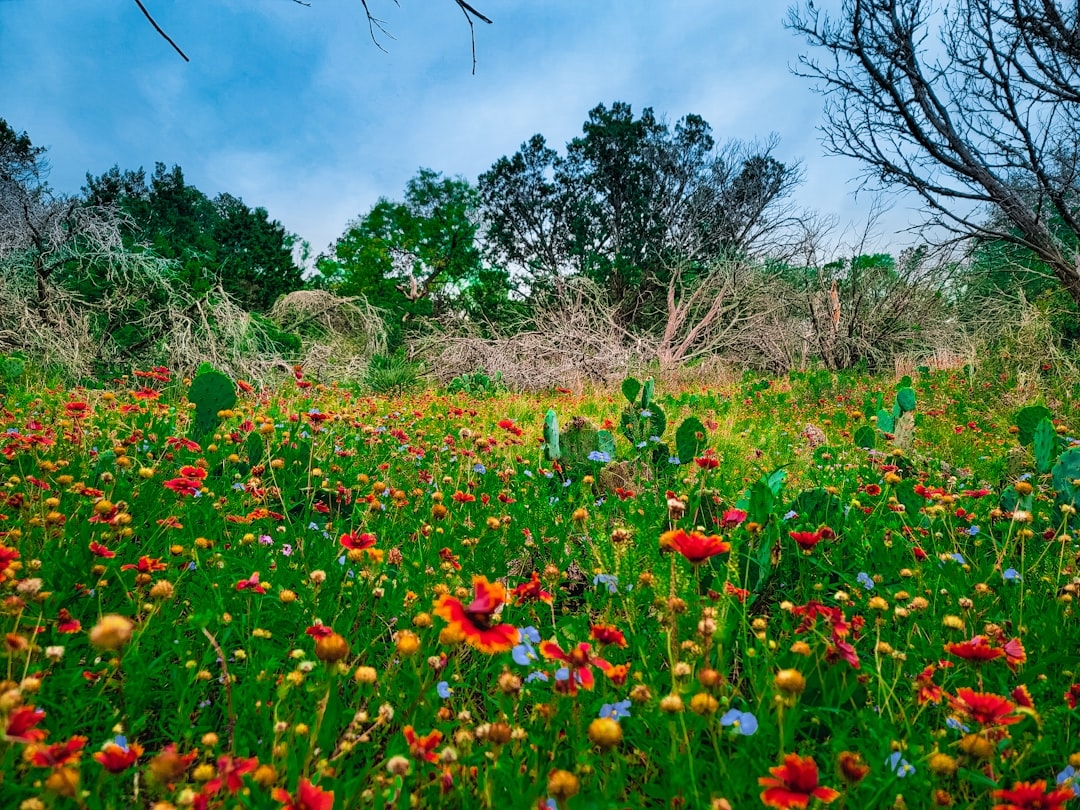
- Gaillardia (Blanket Flower): Transplant or direct sow in March. Blooms in vivid orange and red, tolerates poor soil, and reseeds itself year after year. Grows 12–24 inches depending on variety.
- Salvia coccinea (Tropical Sage): Technically a perennial in South Texas, annual in the north. Start from transplants in March for hummingbird-attracting red blooms from spring through frost.
A Common Mistake: Confusing Impatiens With Vinca
At the nursery in March, impatiens and vinca often sit side by side and look surprisingly similar to the untrained eye. Both are low-growing, flower-covered annuals sold in spring. The difference is critical: impatiens (Impatiens walleriana) are shade lovers that wilt dramatically in Texas heat and full sun. Vinca (Catharanthus roseus) is the opposite — it thrives in full sun and handles brutal Texas summers without complaint. Planting impatiens in a sunny Texas border in March is a common and expensive mistake. Check the tag before you buy. Impatiens belong in shaded beds; vinca belongs in your sunny spots.
Reader Story: The March Gamble That Paid Off
A gardener in Round Rock planted a full flat of zinnias on March 15 — a week before her average last frost date — because the 10-day forecast looked clean and warm. She covered them with frost cloth two nights later when a cold snap hit 33°F. Every single plant survived. By late April, she had a cutting garden producing enough blooms to fill her kitchen table twice a week. The lesson isn’t to be reckless with frost dates — it’s that frost cloth ($0.30–$0.50 per square foot) is cheap insurance that extends your effective planting window by two to three weeks in either direction.
Practical Tips for Planting Flowers in March in Texas
- Amend Texas clay before planting: Add 3–4 inches of compost and till to 8 inches deep. Clay soil drains poorly and suffocates roots — especially for zinnias and cosmos that prefer well-drained conditions.
- Water at the base, not overhead: Overhead watering in spring encourages fungal disease, particularly on snapdragons and marigolds. Drip irrigation or soaker hoses are the better choice.
- Fertilize at planting, then back off: Work a balanced slow-release fertilizer (10-10-10) into the soil before planting. Over-fertilizing warm-season annuals produces lots of leaves and few flowers.
- Deadhead aggressively: Removing spent blooms from zinnias, marigolds, and dianthus extends the blooming season by 4–6 weeks. Spend 10 minutes a week on deadheading — it’s one of the highest-return gardening tasks you can do.
- Group plants by water needs: Texas spring rainfall is inconsistent. Grouping drought-tolerant plants (gaillardia, blackfoot daisy) separately from thirstier annuals (impatiens, snapdragons) makes irrigation dramatically more efficient.
Frequently Asked Questions
What flowers can I plant in March in Texas without worrying about frost?
In South and Central Texas (Austin, San Antonio, Houston), most warm-season annuals like zinnias, marigolds, and vinca can be transplanted safely by mid-March. In North Texas (Dallas, Fort Worth), wait until the last two weeks of March or keep frost cloth on hand. Cool-season flowers like snapdragons and pansies tolerate light frost across all regions.
Can I direct sow flower seeds in March in Texas?
Yes. Zinnias, cosmos, larkspur, and gaillardia all respond well to direct sowing in March. Soil temperature should be at least 60°F for most warm-season seeds. Use a soil thermometer rather than guessing based on air temperature, which can be misleading in early spring.
What is the easiest flower to grow in Texas in spring?
Zinnias are consistently the most reliable and rewarding spring annual for Texas gardens. They germinate quickly, grow fast, tolerate heat and drought once established, and bloom from late spring through frost. For native options, gaillardia (blanket flower) is nearly foolproof.
How do I keep flowers from dying in Texas summer heat?
Choose heat-tolerant varieties from the start: vinca, zinnias, gaillardia, and portulaca all survive Texas summers. Mulch beds with 2–3 inches of organic material to retain soil moisture and keep root zones cooler. Water deeply twice a week rather than shallowly every day to encourage deep root systems.
Are bluebonnets hard to grow in Texas?
Bluebonnets are best seeded in fall (September–November) for spring blooms, as seeds need cold stratification. However, established transplants purchased from nurseries in March can be planted now and will bloom this season. After the first year, they self-seed reliably if you allow seed pods to mature before removing plants.
Start Now — Summer Arrives Fast
Texas gardeners who hesitate through March often find themselves scrambling in April as temperatures spike. The window for planting flowers in March in Texas is real and worth using. Pick two or three species from the lists above based on your sun exposure, soil type, and water availability. Get them in the ground, mulch well, and you’ll have a garden producing color well before your neighbors who waited for “safe” weather. The next step: check your specific last frost date at the USDA Plant Hardiness Zone Map or your county extension office, then match it to the planting windows above. Your March garden is waiting.