Contents:
- Why Last Frost Timing Matters for Flowering Plants
- Best Flowers to Plant After Last Frost
- Fast-Growing Annuals for Instant Color
- Warm-Season Perennials Worth the Investment
- Tender Bulbs to Plant Post-Frost
- Plant Flowers After Last Frost: Annuals vs. Perennials — Which Saves More Money?
- Eco-Friendly Planting Strategies for Post-Frost Gardens
- Practical Tips for Getting the Most From Your Post-Frost Planting
- FAQ: Planting Flowers After Last Frost
- How long after last frost can I plant flowers?
- What flowers can I plant right after last frost?
- Can I plant flowers when there’s still a chance of frost?
- What is the difference between frost-tolerant and frost-tender flowers?
- Do I need to fertilize flowers planted after last frost?
- Start Small, Scale Up Each Season
The soil is finally warm under your fingertips. The nights have stopped threatening ice, and that last stubborn frost date has passed. This is the moment every gardener waits for — the green light to fill your beds with color, fragrance, and life. Knowing exactly which flowers to plant after last frost can mean the difference between a garden that thrives from June through October and one that sputters out by July.
Frost dates vary significantly across the US. In USDA Hardiness Zone 5 (think Chicago or Denver), the average last frost falls around May 15. Zone 9 gardeners in Houston or Phoenix may see their last frost as early as February. Always check your local cooperative extension service for precise dates — the national average is just a starting point.
Why Last Frost Timing Matters for Flowering Plants
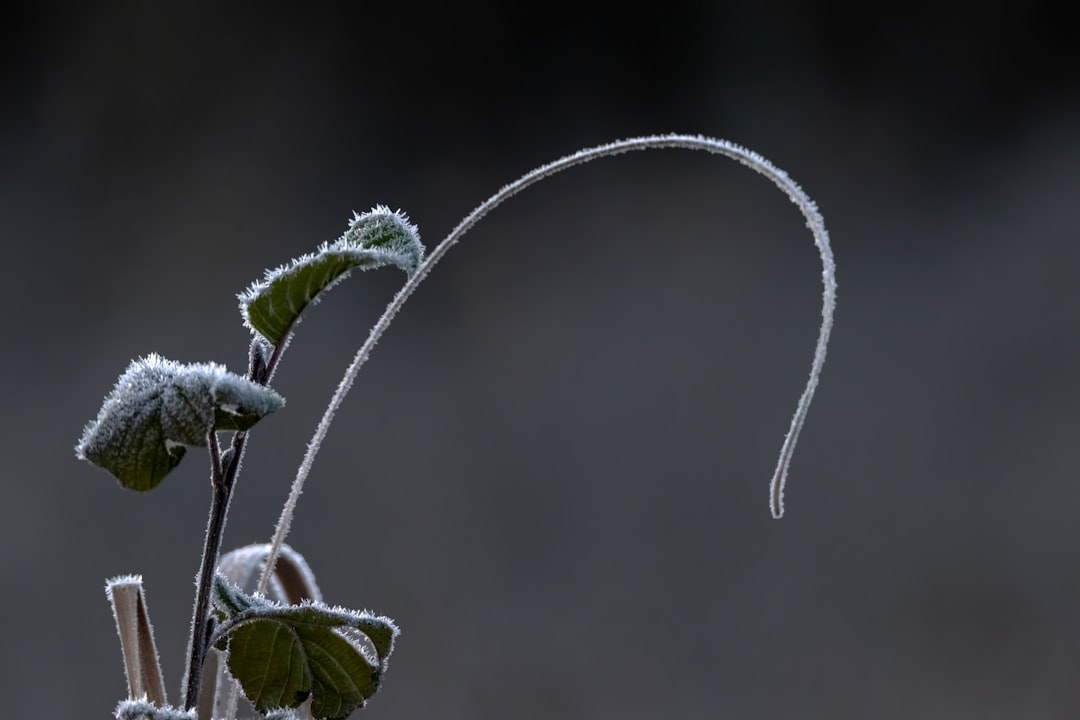
Frost damages tender plant tissue by freezing the water inside cells. Even a brief dip to 28°F for two hours can kill warm-season annuals like impatiens or zinnias outright. Cold-hardy perennials can survive a light frost (28–32°F), but most flowering annuals cannot. Planting too early wastes money. A flat of petunias costs $8–$15 at most garden centers — easy to lose in a single overnight freeze.
Soil temperature matters just as much as air temperature. Seeds and transplants need soil consistently above 55°F to germinate and establish roots. Use an inexpensive soil thermometer (around $10) to confirm before you plant. Guessing costs more in the long run.
Best Flowers to Plant After Last Frost
Once your last frost date has passed and soil temperatures are stable, a wide range of flowers becomes fair game. Below are the most reliable, budget-friendly options organized by type.
Fast-Growing Annuals for Instant Color
- Zinnias — Direct sow seeds 2–3 inches apart after last frost. They germinate in 5–7 days in warm soil and bloom in 8 weeks. A $2 seed packet can yield 30+ plants.
- Marigolds — Transplant starts or sow directly. They repel aphids and whiteflies naturally, making them a smart companion plant for vegetable gardens.
- Cosmos — Scatter seeds over bare soil and rake lightly. These feathery, drought-tolerant flowers grow 2–4 feet tall and bloom continuously until frost.
- Sunflowers — Sow directly 1 inch deep. Dwarf varieties like ‘Teddy Bear’ top out at 2 feet; giants like ‘Mammoth’ reach 10–12 feet in a single season.
- Nasturtiums — Edible flowers, zero-fuss germination, and thriving in poor soil. They actually perform worse in heavily fertilized beds.
Warm-Season Perennials Worth the Investment
- Coneflowers (Echinacea) — Native to North America, drought-tolerant, and beloved by pollinators. Plant transplants 18–24 inches apart; they’ll return every year in Zones 3–9.
- Black-eyed Susans (Rudbeckia) — Another native that self-seeds freely, saving you money in subsequent seasons. Blooms from July through September.
- Daylilies — Each bloom lasts one day, but a mature clump produces hundreds of buds. Divide them every 3–4 years and share with neighbors — free plants for everyone.
Tender Bulbs to Plant Post-Frost
- Dahlias — Plant tubers 4–6 inches deep after last frost. They bloom in 8 weeks and produce cutting flowers all season. In Zone 6 and below, dig and store tubers each fall.
- Gladiolus — Stagger plantings every two weeks from last frost through June for continuous blooms. Corms cost about $1–$2 each.
- Caladiums — Grown for dramatic foliage rather than flowers, but they anchor shady spots where blooms struggle.
Plant Flowers After Last Frost: Annuals vs. Perennials — Which Saves More Money?
A common point of confusion: annuals complete their entire life cycle in one season, while perennials return year after year. Beginners often overspend on annuals, replanting the same petunias every May at $10–$20 per flat. A better strategy is to anchor your beds with native perennials — coneflowers, black-eyed Susans, and daylilies — then fill gaps with inexpensive direct-sown annuals like zinnias and cosmos. Over three years, this hybrid approach typically cuts your flower budget by 40–60% compared to all-annual planting.
Perennials do cost more upfront: a single coneflower start runs $6–$9, versus $2 for a zinnia seed packet. But that coneflower returns in spring, spreads gradually, and can be divided into multiple free plants within two to three years.
Eco-Friendly Planting Strategies for Post-Frost Gardens
Choosing native flowering plants isn’t just environmentally responsible — it’s practical. Native species evolved alongside local pollinators and require 50–70% less water once established, according to research from the Lady Bird Johnson Wildflower Center. Less irrigation means lower water bills and less time dragging hoses.
Starting seeds indoors under grow lights 6–8 weeks before last frost reduces plastic waste from buying nursery transplants and gives you far more variety. A basic LED grow light setup costs $30–$50 and pays for itself in one season. Compost your spent annuals in fall rather than sending plant material to landfill — the finished compost improves soil structure for the following spring.
Practical Tips for Getting the Most From Your Post-Frost Planting
- Harden off transplants. Move seedlings outdoors for increasing amounts of time over 7–10 days before planting. Skipping this step causes transplant shock and stunted growth.
- Water deeply at planting. Give new transplants 1 inch of water immediately after planting. Shallow watering encourages shallow roots.
- Mulch early. A 2–3 inch layer of wood chip mulch retains moisture, suppresses weeds, and can reduce watering frequency by up to 30%.
- Deadhead regularly. Removing spent blooms on zinnias, marigolds, and cosmos signals the plant to produce more flowers rather than set seed. Five minutes a week extends bloom time by weeks.
- Fertilize strategically. A slow-release granular fertilizer (10-10-10 ratio) applied at planting reduces the need for repeat applications. Avoid over-fertilizing nitrogen-heavy formulas on nasturtiums and cosmos — you’ll get lush leaves and few flowers.
FAQ: Planting Flowers After Last Frost
How long after last frost can I plant flowers?
You can plant warm-season annuals and tender bulbs immediately after your last frost date has passed and soil temperature is consistently above 55°F. For areas with unpredictable late cold snaps, waiting 1–2 weeks after the average last frost date adds a safety margin without significantly shortening the growing season.
What flowers can I plant right after last frost?
Zinnias, marigolds, cosmos, sunflowers, and nasturtiums can all be direct-sown or transplanted immediately after last frost. Dahlia tubers and gladiolus corms should also go in the ground at this time. These are the most cold-sensitive options and should not be planted before frost danger has passed.
Can I plant flowers when there’s still a chance of frost?
Cold-tolerant annuals like snapdragons, pansies, and alyssum can handle light frost down to 28°F and can be planted 2–4 weeks before last frost. Warm-season annuals like impatiens, petunias, and zinnias cannot — even a brief frost will kill them.
What is the difference between frost-tolerant and frost-tender flowers?
Frost-tolerant flowers can survive temperatures of 28–32°F for short periods without significant damage. Frost-tender flowers sustain cellular damage and often die at any temperature below 32°F. Always check the label or seed packet for cold hardiness before planting.
Do I need to fertilize flowers planted after last frost?
Most flowers benefit from a balanced slow-release fertilizer at planting time. Native perennials like coneflowers and black-eyed Susans often perform well in average soil without supplemental feeding. Heavy feeders like dahlias and petunias respond well to monthly fertilization through midsummer.
Start Small, Scale Up Each Season
The best post-frost garden isn’t the most ambitious one — it’s the one you can actually maintain. Choose three to five flower varieties this first season, track what thrives in your specific microclimate, and expand from there. Save seeds from open-pollinated zinnias and cosmos in fall; those same seeds, stored dry in a cool location, are ready to sow again next spring at zero cost. Your garden compounds in beauty and savings every year you tend it.